insert_pixel_code_here(Facebook Pixel code)
Digital Marketing on a Budget: Maximum Impact Strategies for Small Businesses

Digital Marketing on a Budget: Maximum Impact Strategies for Small Businesses

Running a small business in Nigeria often feels like a constant juggling act, and marketing can seem like an expensive luxury you can’t afford. We hear this concern almost daily at s.cubedstudios limited, where we’ve been helping Nigerian businesses navigate the digital landscape since 2010. The truth is, some of the most effective marketing strategies don’t require deep pockets – they require smart thinking and consistent execution, especially in our dynamic Nigerian market.

Your Website: The Foundation of Everything

Every successful digital marketing strategy starts with a solid foundation, and that foundation is your website. Think of your website as your most dedicated employee – it’s working for you 24/7, never takes a sick day, and doesn’t ask for a salary increase. However, like any employee, it needs to be properly equipped to do its job effectively.

The mobile revolution isn’t coming to Nigeria – it’s already here. With over 120 million internet users in Nigeria accessing the web primarily through smartphones, your website absolutely must deliver a flawless mobile experience. This isn’t just about looking good on smaller screens; it’s about functionality, speed, and ease of use despite varying internet speeds across Lagos, Abuja, and other Nigerian cities. Google has made mobile-friendliness a ranking factor, so optimizing for mobile devices improves your search visibility without spending a single naira on advertising.

Speed is another critical factor that many Nigerian businesses overlook, especially considering internet connectivity challenges. Research shows that a one-second delay in page loading can reduce conversions by 7%. That might not sound like much, but for a small business operating in Nigeria’s competitive market, every conversion counts. The good news is that improving site speed often involves simple fixes that don’t require technical expertise or significant investment in naira.

Your website should also guide visitors naturally toward taking action. Whether you want them to call, WhatsApp, or make a purchase, every page should make the next step crystal clear. Think about the customer journey and remove any friction that might prevent someone from becoming a customer in the Nigerian context.

Content Marketing: Building Relationships Through Value

Content marketing has become the great equalizer in digital marketing, particularly relevant for Nigerian businesses competing with international companies. Large corporations with massive budgets can’t necessarily create better content than a passionate Nigerian business owner who truly understands their local customers’ needs. This strategy costs 62% less than traditional marketing while generating three times more leads, making it perfect for budget-conscious Nigerian businesses.

The key to successful content marketing isn’t posting every day – it’s posting valuable content consistently that resonates with Nigerian audiences. Focus on creating weekly content that genuinely helps your audience solve problems or learn something new about navigating business in Nigeria. When you understand what Nigerian customers are searching for online, you can create content that naturally attracts them to your business.

Smart Nigerian businesses also understand the power of repurposing content across multiple platforms popular in Nigeria. A single well-researched blog post can become the foundation for weeks of social media content across WhatsApp Status, Instagram, LinkedIn, and even video content for YouTube. This approach maximizes your return on the time invested in content creation while ensuring your message reaches Nigerians across different platforms and formats.

Encouraging your customers to create content for you represents one of the most cost-effective marketing strategies available to Nigerian businesses. When satisfied customers share photos of your products on Instagram, write reviews on Google My Business, or recommend your services in WhatsApp groups, they’re providing authentic marketing that money can’t buy. This user-generated content builds trust with potential Nigerian customers because people trust recommendations from other Nigerians more than traditional advertising.

Strategic Social Media: Focus and Consistency Win

The biggest mistake Nigerian small businesses make on social media is trying to be everywhere at once. Instead of spreading yourself thin across every platform, choose two or three where your ideal Nigerian customers are most active and focus on doing those well.

Instagram and WhatsApp dominate social media usage among Nigerian consumers, making them essential platforms for most businesses. Instagram allows you to showcase your products and services with high-quality visuals that appeal to Nigeria’s increasingly sophisticated consumers. The platform’s Stories feature provides perfect opportunities for real-time engagement and can showcase your company culture in authentic ways that resonate with Nigerian audiences.

WhatsApp Business has become incredibly powerful for Nigerian businesses because of its widespread adoption across all demographic groups. The platform enables direct communication with customers, allows you to share product catalogues, and facilitates customer service in ways that Nigerian consumers prefer. Many successful Nigerian businesses use WhatsApp Status to share daily updates, promotions, and behind-the-scenes content.

LinkedIn has evolved beyond a simple networking platform to become essential for business-to-business marketing in Nigeria’s growing professional landscape. Sharing insights about doing business in Nigeria and professional tips positions you as an expert in your field, while meaningful engagement with other Nigerian professionals expands your network. The platform’s publishing features allow you to share longer-form content that demonstrates your expertise to potential clients across Lagos, Abuja, and other major Nigerian business centres.

Facebook remains relevant for certain Nigerian demographics and offers excellent targeting options for local businesses. The platform allows you to join Lagos business groups, Abuja entrepreneur networks, or industry-specific Nigerian communities where you can provide helpful advice and build relationships. Facebook Events can promote workshops, sales, or special offerings to your local Nigerian community.

Email Marketing: The Channel That Keeps Giving

Despite the rise of WhatsApp and other messaging platforms, email marketing continues to deliver exceptional returns for Nigerian businesses, generating approximately ₦42 for every naira spent. This makes it particularly attractive for small businesses operating on tight budgets in Nigeria’s challenging economic environment.

Building an email list organically requires offering something of genuine value in exchange for contact information. For Nigerian audiences, this could be a helpful guide about navigating local regulations, industry reports specific to the Nigerian market, business checklists, or exclusive discounts. The key is ensuring that what you’re offering genuinely solves problems that Nigerian customers face daily.

Not every subscriber has the same needs or interests, which is why smart email marketing involves segmenting your list by location (Lagos vs. Abuja vs. other states), business size, or industry focus. A new subscriber might need educational content about your industry’s landscape in Nigeria, while past customers might be more interested in new products or services. By sending targeted messages to specific segments, you’ll see higher open rates, better engagement, and ultimately more sales in naira.

Email automation transforms this marketing channel from time-consuming to practically hands-off. Welcome email sequences can introduce new subscribers to your Nigerian business and build relationships over time. Follow-up emails after purchases can encourage Google reviews, suggest related products, or simply thank customers for their business in ways that respect Nigerian cultural values.

Local SEO: Owning Your Nigerian Market

For businesses serving Nigerian customers, local search engine optimisation provides some of the best returns on marketing investment. When someone searches for services “near me” in Lagos or includes “Abuja” in their search, you want to be the first Nigerian business they see.

Your Google Business Profile acts as a mini-website that appears prominently in local search results across Nigerian cities. Completing every section of this profile with accurate information, high-quality photos of your Lagos or Abuja location, and regular updates signals to Google that your Nigerian business is active and legitimate. Customer reviews on this platform carry significant weight in local search rankings, so actively encouraging satisfied customers to leave reviews becomes part of your SEO strategy.

Consistency across online directories strengthens your local SEO efforts in Nigeria. Ensuring your business name, address, and phone number appear identically across all platforms helps search engines understand and trust your Nigerian business information. Many local directories like Vconnect, Jumia, and others allow free listings, making this a cost-effective way to improve online visibility across Nigerian markets.

Leveraging Nigerian-Specific Opportunities

Nigerian businesses have unique advantages in digital marketing that international companies can’t replicate. Your understanding of local languages, cultural nuances, and consumer behaviour gives you an edge that no foreign competitor can match. Whether you’re incorporating Pidgin English in your social media posts or understanding the cultural significance of certain colours and symbols, these local insights can make your marketing more effective.

Consider partnering with Nigerian influencers who genuinely use and love your products or services. Micro-influencers with 1,000 to 10,000 followers often have higher engagement rates and charge reasonable fees in naira, making them perfect for small business collaborations.

Making It All Work Together

The most successful Nigerian small business marketing strategies integrate these elements rather than treating them as separate initiatives. Your website content becomes WhatsApp Status updates and Instagram posts. Social media engagement drives email signups. Email campaigns direct traffic back to your website. Local SEO efforts support all online marketing activities by improving overall search visibility across Nigerian cities.

Success in budget-friendly digital marketing comes down to consistency, patience, and continuous learning about the evolving Nigerian digital landscape. Start with one or two strategies that align with your strengths and gradually expand as you see results. Remember, every large Nigerian business started small, and many of today’s success stories began with entrepreneurs who had more creativity than capital.

At s.cubedstudios limited, based right here in Lagos, we’ve seen countless Nigerian small businesses achieve remarkable growth using these exact strategies. Our team of Nigerian digital marketing professionals understands the unique challenges and opportunities that come with marketing in Nigeria’s dynamic economy. From dealing with inconsistent internet connectivity to understanding local consumer behaviour patterns, we’ve helped businesses across Lagos, Abuja, Port Harcourt, and other Nigerian cities compete effectively in the digital space.

The digital world offers unprecedented opportunities for Nigerian small businesses to compete with much larger companies, both local and international. You just need to be smart about how you approach it, understanding that Nigerian consumers have specific preferences and behaviours that differ from global markets.

Budget-Friendly Tools for Nigerian Businesses

Getting started doesn’t require expensive software or tools. Many effective digital marketing tools offer free versions perfect for small Nigerian businesses:

  • Google Analytics and Google Search Console help you understand your website traffic and search performance at no cost
  • Canva provides professional design templates for social media posts, with many free options
  • Mailchimp offers free email marketing for up to 2,000 contacts
  • Hootsuite or Buffer allow you to schedule social media posts across multiple platforms
  • Google My Business is completely free and essential for local Nigerian businesses

Measuring Success in the Nigerian Market

Track metrics that actually matter to your Nigerian business. Website traffic is nice, but what really counts is how many visitors become customers paying in naira. Monitor your email open rates, social media engagement from Nigerian followers, and most importantly, how your digital marketing efforts translate into actual sales and revenue growth.

Set realistic expectations based on the Nigerian market context. Building a strong digital presence takes time, especially when competing for attention in Nigeria’s busy digital landscape. Focus on consistent progress rather than overnight success.

Common Mistakes Nigerian Businesses Should Avoid

Many Nigerian businesses make the mistake of copying international marketing strategies without adapting them to local preferences. What works in the US or UK might not resonate with Nigerian consumers. Always consider cultural context, local events, and Nigerian holidays when planning your marketing calendar.

Another common error is neglecting mobile optimisation despite knowing that most Nigerian internet users access the web via smartphones. Your entire digital strategy should prioritise mobile experience, from website design to social media content format.

Looking Forward

Nigeria’s digital economy continues to grow rapidly, creating new opportunities for savvy small business owners. E-commerce is expanding, digital payment systems are becoming more widespread, and internet penetration continues to increase across all Nigerian states.

The businesses that start building their digital presence now will be best positioned to benefit from Nigeria’s continued digital transformation. Whether you’re based in Lagos Island, Victoria Island, Mainland Lagos, or anywhere across Nigeria, these strategies can help you grow your business without breaking the bank.

Ready to transform your Nigerian business’s digital marketing? Start with one strategy today, execute it consistently with Nigerian audiences in mind, and watch your business grow.

At s.cubedstudios limited, we’re proud to help Nigerian entrepreneurs and small businesses navigate the digital marketing landscape. Our Lagos-based team combines international best practices with a deep understanding of the Nigerian market to deliver results that matter – more customers and more revenue in naira.


Social Media Sentiment: The New Currency of Brand Loyalty in 2026

Social Media Sentiment: The New Currency of Brand Loyalty in 2026

Social Media Sentiment: The New Currency of Brand Loyalty in 2026

In the vast and often volatile ocean of digital marketing, one metric has risen above the rest to become the gold standard of brand health: sentiment. Having worked in digital strategy and brand reputation management for over 15 years, I have watched the evolution of metrics from simple "likes" and "views" to complex engagement rates. However, as we settle into 2026, those vanity metrics are obsolete. Today, social media sentiment is the undisputed currency of brand loyalty.

It is no longer enough for a brand to be seen; it must be understood, trusted, and championed. In 2026, the algorithms that govern our feeds have become hyper-sensitive to the emotional quality of interactions, not just the quantity. This article delves into why sentiment analysis has become the cornerstone of successful marketing strategies and how brands are leveraging this new currency to build unshakeable loyalty.

A vibrant community gathering where content creators are collaborating and brainstorming, illustrating the importance of community-driven content and user-generated ideas.


The Death of Vanity Metrics

For a decade, marketing departments chased viral moments. They wanted the million views, regardless of the context. But as we reached 2026, the cracks in that strategy became undeniable. A video with a million views but a comment section full of mockery or frustration does more damage to a brand than a video with ten thousand views and a community of raving fans.

Social media sentiment measures the emotion behind the engagement. It distinguishes between a sarcastic share and a genuine endorsement. In 2026, sophisticated AI-driven Natural Language Processing (NLP) tools can detect nuance, irony, and cultural context with near-human accuracy. Brands that focus on net-positive sentiment are finding that their customer retention rates skyrocket, while those chasing empty virality are seeing their market share erode.

Sentiment as a Predictive Tool

The true power of social media sentiment lies in its predictive capabilities. In 2026, sentiment is not just a report card on past performance; it is a crystal ball for future revenue. By analyzing subtle shifts in the emotional tone of conversations surrounding a brand, companies can predict churn before it happens.

For instance, if sentiment analysis detects a rising trend of "disappointment" or "confusion" regarding a new product feature—even before formal complaints are filed—a brand can intervene proactively. They can release a patch, issue a tutorial, or offer an apology, nipping a potential PR crisis in the bud. This agility is what separates market leaders from the rest. They treat sentiment as real-time market research, constantly iterating their products and messaging based on the emotional pulse of their audience.

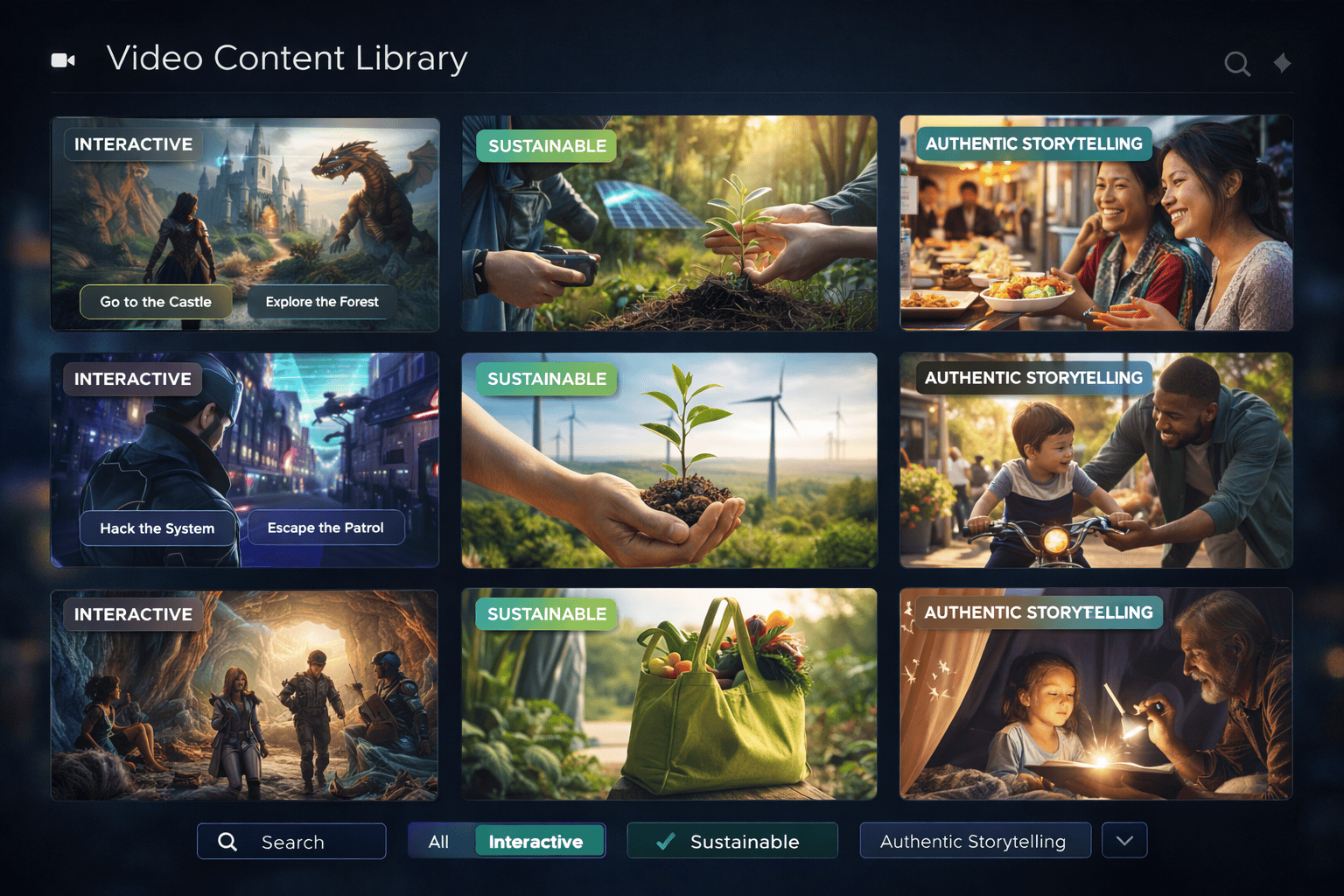
 A visually appealing representation of a video content library, displaying various videos with tags for different trends—interactive, sustainable, and authentic storytelling.


The Era of "Vibe-Based" Algorithms

Social media platforms themselves have pivoted. The algorithms of TikTok, Instagram, and the emerging decentralized platforms of 2026 now prioritize content that generates "constructive engagement." They suppress rage-bait and amplify community building.

This means that for a brand to achieve organic reach, it must generate positive social media sentiment. Content that sparks joy, inspiration, or helpful discussion gets rewarded with visibility. Brands are now acting less like broadcasters and more like community hosts. They are cultivating spaces where sentiment is naturally positive because the interactions are meaningful. The brands winning in 2026 are the ones that make their customers feel good, quite literally hacking the algorithm with positivity.

Authenticity: The Driver of Positive Sentiment

So, how do brands cultivate this valuable currency? The answer, unequivocally, is radical authenticity. The consumer of 2026 is equipped with sophisticated BS-detectors. They have grown up in an era of deepfakes and AI-generated influencers. Consequently, they crave humanity.

We are seeing a trend where C-suite executives are stepping out from behind the corporate veil to engage directly on social platforms. When a CEO responds with empathy to a customer issue, or when a brand admits a mistake openly without corporate jargon, social media sentiment spikes. Vulnerability is a strength. Brands that try to curate a perfect, polished image are viewed with suspicion, whereas brands that show their rough edges and humanity are rewarded with loyalty.

The Role of Employee Advocacy

Another major driver of sentiment in 2026 is employee advocacy. Consumers trust employees more than they trust marketing departments. When employees share their genuine, positive experiences of working for a company, it creates a "halo effect" around the brand.

Smart companies are empowering their workforce to be creators. They are providing training and guidelines, then stepping back to let their people tell the story. When the internal culture is healthy, the external social media sentiment reflects that. It turns the brand from a faceless entity into a collective of real people, making it much harder for consumers to switch to a competitor solely based on price.

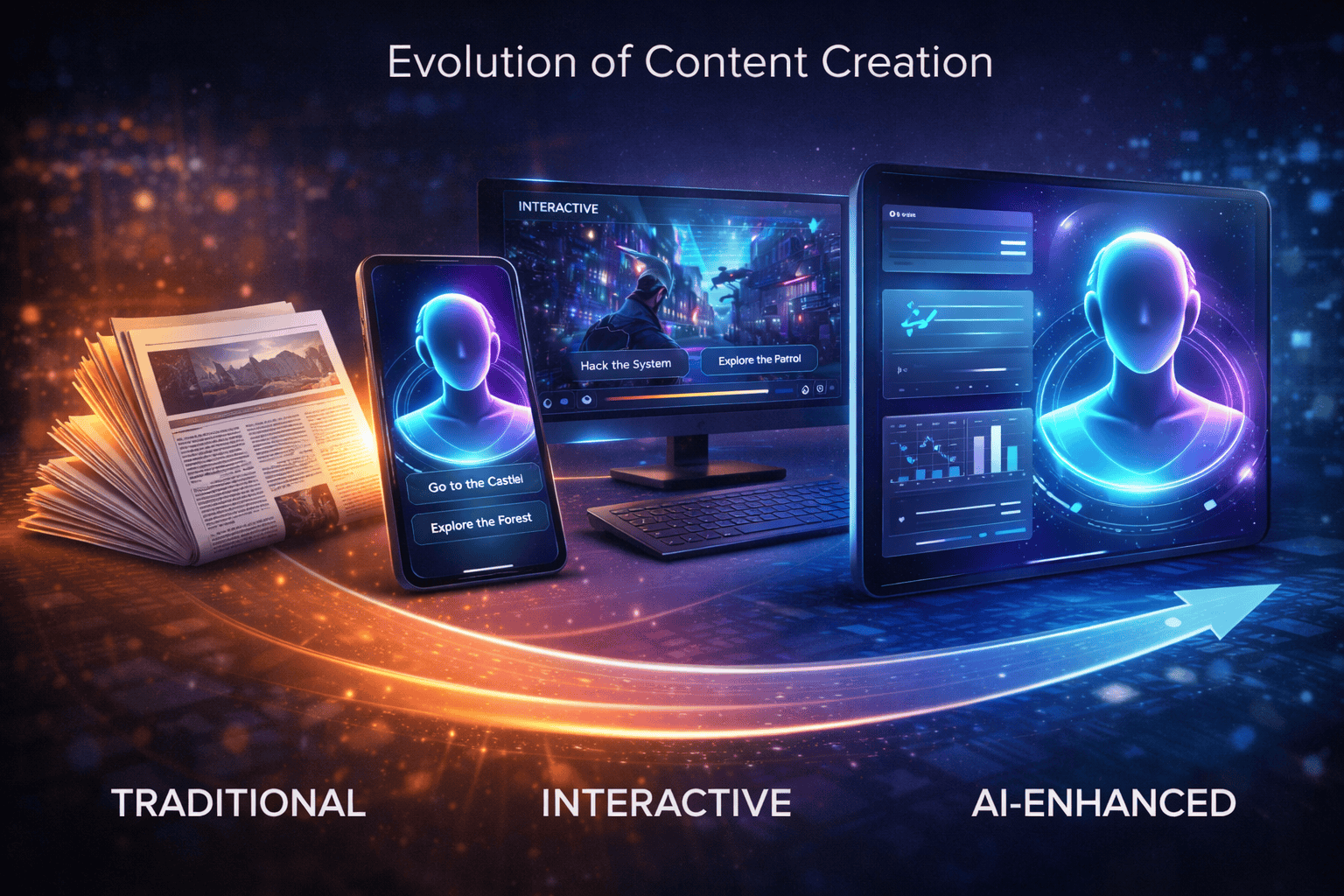
A graphic representation of the evolution of content creation, featuring traditional content formats transitioning into interactive and AI-enhanced formats, symbolizing the future landscape of content strategies.


Navigating Negative Sentiment

Of course, no brand is immune to negativity. However, the approach to handling negative social media sentiment has matured. In the past, the strategy was often to delete, ignore, or issue a sterile press release. In 2026, the strategy is "The Aikido Approach"—using the energy of the attack to pivot to a positive outcome.

Brands are using negative sentiment as an opportunity to demonstrate superior customer service publicly. A complaint is viewed as a stage. By resolving the issue with speed, empathy, and generosity in the public eye, brands can convert a detractor into a promoter. The audience watching the exchange sees a brand that cares, often resulting in a net increase in positive sentiment despite the initial complaint.

Financial Implications: Sentiment and Stock Price

Perhaps the most compelling evidence of this shift is the correlation between sentiment and valuation. Investment firms and hedge funds in 2026 are scraping social data to factor social media sentiment into their trading algorithms. A sustained dip in sentiment is now a leading indicator of a drop in quarterly earnings.

CMOs are now presenting sentiment analysis data in boardroom meetings alongside traditional financial KPIs. They are demonstrating that investing in brand love—through better customer service, ethical sourcing, and community engagement—is not just a "soft" cost but a hard investment in the company's financial future.

Conclusion

As we look forward, it is clear that the transactional nature of the internet is being replaced by a relational one. Social media sentiment is the metric that captures the health of those relations. In 2026, brand loyalty cannot be bought with ad spend; it must be earned through emotional intelligence, consistency, and genuine care. For brands willing to listen to the heartbeat of their audience, the rewards are loyalty, longevity, and a level of advocacy that money simply cannot buy.

Social Media Advertising Strategies for Small Businesses

Social Media Advertising Strategies for Small Businesses

Social Media Advertising Strategies for Small Businesses

Social media has become an integral part of many small business marketing strategies. With billions of people using social media platforms like Facebook, Instagram, and Twitter, it’s an excellent way to reach a broad audience and increase brand awareness. However, to get the most out of social media advertising, small businesses need to have a clear strategy in place. In this article, we’ll discuss some effective social media advertising strategies for small businesses, along with examples.

  1. Define Your Target Audience

The first step in any social media advertising strategy is to define your target audience. Who are the people you want to reach with your ads? What are their interests, demographics, and behaviors? By understanding your target audience, you can create ads that are tailored to their needs and interests.

Example: A local coffee shop might target people in the local area who are interested in coffee, food, and drinks.

  1. Set Clear Objectives

Before you start advertising on social media, it’s essential to set clear objectives for what you want to achieve. Do you want to increase brand awareness, drive website traffic, generate leads, or increase sales? By setting specific objectives, you can measure the success of your ads and adjust your strategy accordingly.

Example: A small online retailer might set an objective to increase website traffic by 20% in the next month.

  1. Choose the Right Platform

There are many social media platforms available, and it’s essential to choose the right ones for your business. Facebook, Instagram, Twitter, LinkedIn, and Pinterest all have different audiences and advertising options. Consider which platforms your target audience uses and which ones are best suited to your advertising objectives.

Example: A small B2B software company might choose to advertise on LinkedIn to reach a professional audience.

  1. Create Engaging Ad Content

To be effective, your social media ads need to be visually appealing and engaging. Use high-quality images and videos, and write compelling ad copy that grabs the attention of your target audience. Consider using humor, emotional appeals, or other tactics to create a connection with your audience.

Example: A local pet store might create an ad featuring a cute puppy with the tagline, “Bring home your new best friend today!”

  1. Use Targeting Options

Social media advertising platforms offer a range of targeting options that can help you reach your desired audience. You can target people based on their interests, behaviors, demographics, and more. Use these targeting options to ensure your ads are seen by the people most likely to be interested in your product or service.

Example: A small fitness studio might target people in the local area who are interested in health and fitness.

  1. Monitor and Adjust Your Campaigns

Once your ads are live, it’s essential to monitor their performance and adjust your campaigns as needed. Use the analytics provided by social media platforms to track your ad’s reach, engagement, and conversions. If your ads aren’t performing well, try adjusting your targeting, ad content, or bidding strategy.

Example: A small clothing retailer might adjust their ad targeting based on which products are selling the best.

Social media advertising can be an effective way for small businesses to reach a broad audience and increase brand awareness. By defining your target audience, setting clear objectives, choosing the right platform, creating engaging ad content, using targeting options, and monitoring and adjusting your campaigns, you can create a successful social media advertising strategy. Remember to experiment with different ad formats, targeting options, and ad content to find what works best for your business. With a well-crafted social media advertising strategy, small businesses can compete with larger companies and reach their desired audience effectively.

Brand Management on Social Media

Brand Management on Social Media

Brand Management on Social Media: Building Trust and Loyalty in the Digital Age

In today’s hyperconnected world, social media is no longer an optional marketing tool, it is the central stage for brand identity, reputation, and customer relationships. With over 4.8 billion social media users worldwide, platforms like Instagram, LinkedIn, X (formerly Twitter), Facebook, and TikTok have become the battlegrounds where brands compete for attention, loyalty, and trust. Effective brand management on social media requires more than just posting beautiful visuals or witty captions. It’s about cultivating an authentic presence that aligns with your company’s values, resonates with your audience, and adapts to constant digital evolution.

1. The Role of Social Media in Brand Management

Social media has democratized branding. Unlike traditional media where communication was one-way, social platforms allow real-time engagement, giving customers a voice and brands an opportunity to listen and respond. The power balance has shifted: consumers now co-create a brand’s image through reviews, shares, and user-generated content.

Successful brand management in this landscape means maintaining consistency across platforms while adapting tone and content to each audience segment. For example, a brand may take a more professional voice on LinkedIn while embracing humor or cultural trends on TikTok. This flexibility, grounded in a strong identity, is key to staying relevant without losing authenticity.

2. Defining a Clear Brand Identity

At the heart of brand management is identity. The unique DNA that defines your brand. Before launching campaigns or hashtags, a business must articulate its core values, mission, voice, and visual language. A well-defined brand identity answers questions such as:

  • What do we stand for?
  • Who are we speaking to?
  • How do we want people to feel when they interact with us?

Consistency is crucial. Logos, color palettes, fonts, and tone of voice should remain uniform across posts and platforms. However, consistency doesn’t mean rigidity. Smart brands allow creativity within boundaries, adapting visual and verbal styles for different audiences while maintaining recognizable brand cues.

3. Crafting a Content Strategy that Connects

Content is the currency of social media brand management. Each post contributes to public perception, so strategy matters. A strong content mix blends educational, entertaining, and promotional material to engage followers without overwhelming them with sales messages.

For example:

  • Educational content (tutorials, industry insights, infographics) positions the brand as a thought leader.
  • Storytelling content (customer testimonials, behind-the-scenes videos) humanizes the brand.
  • Interactive content (polls, live sessions, Q&As) builds community and invites participation.

An editorial calendar helps maintain consistency and ensures posts align with marketing goals, product launches, and cultural moments. Brands should also optimize content formats. Short-form videos for Instagram Reels or TikTok, long-form thought pieces for LinkedIn, and quick updates or customer support replies for X.

4. Building and Maintaining Engagement

Brand management on social media thrives on relationships, not reach alone. Engagement metrics, likes, shares, comments, mentions all reflect how audiences connect with your message. Responding promptly to comments and inquiries shows attentiveness and fosters trust.

Authenticity is key. Today’s consumers can easily spot performative marketing or insincere apologies. Brands must be transparent about their practices and responsive to feedback, especially during crises. When handled well, even negative comments can strengthen credibility by showing accountability and care.

Influencer collaborations are another valuable engagement strategy. By partnering with credible voices who align with your brand’s values, you extend your reach while reinforcing authenticity. Micro-influencers, in particular, often deliver high engagement due to their close-knit communities.

5. Monitoring Brand Perception and Reputation

No matter how strong your strategy, brand perception can shift quickly in the volatile world of social media. That’s why continuous monitoring is essential. Social listening tools such as Hootsuite, Sprout Social, and Brandwatch help track mentions, hashtags, and sentiment across platforms, allowing brands to detect emerging trends, measure campaign effectiveness, and address issues proactively.

When crises arise whether from a product complaint or a viral controversy, a timely, well-managed response can prevent escalation. The best crisis management strategies combine honesty, empathy, and prompt action. Brands should acknowledge concerns, take responsibility where appropriate, and communicate solutions clearly. Silence or defensiveness can do lasting damage.

6. Leveraging Data and Analytics

Social media platforms provide rich data on user behavior, engagement, and demographics. Effective brand managers turn these insights into actionable strategies. Analytics can reveal which content performs best, what times yield higher engagement, and which audience segments are most valuable.

Beyond surface metrics like followers or likes, focus on meaningful KPIs—such as engagement rate, brand sentiment, and conversion from social media interactions. A data-driven approach ensures marketing decisions are guided by evidence, not assumptions.

7. The Importance of Storytelling and Humanization

Modern consumers crave connection, not just consumption. Storytelling transforms a brand from a logo into a living narrative. Whether sharing a founder’s journey, highlighting community impact, or featuring customer success stories, authentic storytelling builds emotional resonance.

Humanizing your brand also involves showing the faces behind it employees, partners, and satisfied customers. This transparency reinforces trust and fosters a sense of belonging. Brands like Nike, Dove, and Apple have mastered this by intertwining human stories with their core values, creating loyalty that transcends products.

8. Adapting to Emerging Trends

Social media trends evolve rapidly. What works today may be outdated tomorrow. Brands must remain agile, experimenting with new formats like short videos, interactive filters, or live shopping. Artificial intelligence, augmented reality, and personalization are shaping the next frontier of digital branding, enabling tailored experiences for each user.

Yet, amidst innovation, the fundamentals remain: authenticity, clarity, and connection. Trends should enhance, not replace, a brand’s identity. Jumping on every viral challenge without alignment can dilute credibility.

9. Conclusion: The Ongoing Journey of Brand Management

Brand management on social media is a continuous process of listening, adapting, and engaging. It’s about more than visibility, it’s about building trust and loyalty in a dynamic, participatory environment. The most successful brands are those that treat social media not as a marketing channel but as a living ecosystem. One that thrives on dialogue, authenticity, and shared values.

In essence, social media brand management is not a sprint but a marathon. It demands patience, creativity, and consistency. Brands that embrace this approach will not only survive the ever-changing digital landscape, they will shape it.

Effects Of AI On Social Media

Effects Of AI On Social Media

EFFECT OF AI ON SOCIAL MEDIA

Today’s world is an era of information explosion, with just a click information comes knocking. Social media is a part of our day-to-day life that can’t be ignored. Unsurprisingly, it has both positive and negative effects.

With social media platforms like Facebook, Twitter, Instagram, etc. the world has been inseparably connected, making communication, networking and relationship easier. Social media has grown over the years to become a large platform for entrepreneurs, businesses, organizations and various other professionals who seek identification and recognition at a moderate cost. And in order to succeed, businesses and organizations opt for Artificial Intelligence which is becoming more and more common in today’s world and social media seems to be doing the same. With the growing technology, a wide variety of tools are being used in order to target the right audience on social media. And AI is creating a better journey for users by developing a better user experience on social platforms.

Here’s how AI is transforming Social Media:
Statistics show that social media user base as of the year 2019 is estimated up to 2.77 billion. Artificial Intelligence needs to be properly applied, keeping the entire focus on the current business need. As social media users are growing at an unprecedented state, the business need is to efficiently process the unstructured data. And Artificial Intelligence is providing solution to exactly that.

A study by McKinsey has highlighted that, in the year 2016, Machine Learning constituted around 60% of the total external investment of approximately $8 billion to $12 billion towards AI. With upwards of 3 billion people logging into social media sites regularly, the process of optimising social media marketing has received a massive boost through the application of AI.

Approximately 2 billion internet users are active on social media. That’s almost one in every four people in the world. They are constantly updating their statuses, tweeting their every move and thought, uploading new photos and videos, or posting new thoughts and conversations. This is a whole lot of information that marketers could be using to target customers and sell products to them by using artificial intelligence.

Where AI is already incredibly helpful is where it's being used as social media monitoring tools. They allow you to ‘listen’ to what is being said about your brand, your competitors and your industry in general. You can then use this data to understand your audience better and improve your marketing strategy. You can also be alerted to conversations about your brand or industry, and chime in at a relevant time. This allows you to be seen as an industry expert and useful resource.

The reality is it will take time for AI to ever replace authentic human conversations and interactions. Tools are already improved to the point where they can create strong bonds with customers. But it’s up to your staff to reach out and ensure those leads result in conversions. To read more about the importance of social media monitoring have a look at our recent article. It’ll give you some tips of how you can improve your online strategies and provide support for customers.

Empowering marketers:  companies are better leveraging social media through artificial intelligence. It’s helping them to better understand their customers buying personas, which, in theory, should help to market more relevant products.

Marketers can personalize content for their customers by understanding buying habits, people’s everyday environments and what motivates them to make their decisions. And AI can learn these habits at a rate much faster than any human. The ever-changing environment of social media makes it harder for companies to keep on top of trends. Which is why they are turning to AI to is a smart move. Machine learning algorithms analyze everything that is happening on social media in real time and convert the information to tangible data for marketers to utilize.

AI studies data and makes recommendations based on its findings. Such vast information would typically take months for a human to cultivate. Deep learning, algorithms, and data-sets empower AI, which in turn streamlines the process for marketers.

The main goal of any organization is customer satisfaction. Research has shown that about 60% of the organization’s priority is customer satisfaction. In order to gain high satisfaction amongst customers, organizations are striving to enhance their customer service. With the advancement of Artificial Intelligence in marketing, organizations can now deliver high-grade services to their customers.

Lastly, it is interesting to identify the fact that AI is here to aid business administration and enhance productivity.

Please, kindly share your thoughts or concerns on the topic; do you agree with our position on AI effect on social media? What are the possible changes you will like to see on social media as a result of AI?

Pin It on Pinterest