
insert_pixel_code_here(Facebook Pixel code)
Social Media Sentiment: The New Currency of Brand Loyalty in 2026

Social Media Sentiment: The New Currency of Brand Loyalty in 2026

Social Media Sentiment: The New Currency of Brand Loyalty in 2026

In the vast and often volatile ocean of digital marketing, one metric has risen above the rest to become the gold standard of brand health: sentiment. Having worked in digital strategy and brand reputation management for over 15 years, I have watched the evolution of metrics from simple "likes" and "views" to complex engagement rates. However, as we settle into 2026, those vanity metrics are obsolete. Today, social media sentiment is the undisputed currency of brand loyalty.

It is no longer enough for a brand to be seen; it must be understood, trusted, and championed. In 2026, the algorithms that govern our feeds have become hyper-sensitive to the emotional quality of interactions, not just the quantity. This article delves into why sentiment analysis has become the cornerstone of successful marketing strategies and how brands are leveraging this new currency to build unshakeable loyalty.

A vibrant community gathering where content creators are collaborating and brainstorming, illustrating the importance of community-driven content and user-generated ideas.


The Death of Vanity Metrics

For a decade, marketing departments chased viral moments. They wanted the million views, regardless of the context. But as we reached 2026, the cracks in that strategy became undeniable. A video with a million views but a comment section full of mockery or frustration does more damage to a brand than a video with ten thousand views and a community of raving fans.

Social media sentiment measures the emotion behind the engagement. It distinguishes between a sarcastic share and a genuine endorsement. In 2026, sophisticated AI-driven Natural Language Processing (NLP) tools can detect nuance, irony, and cultural context with near-human accuracy. Brands that focus on net-positive sentiment are finding that their customer retention rates skyrocket, while those chasing empty virality are seeing their market share erode.

Sentiment as a Predictive Tool

The true power of social media sentiment lies in its predictive capabilities. In 2026, sentiment is not just a report card on past performance; it is a crystal ball for future revenue. By analyzing subtle shifts in the emotional tone of conversations surrounding a brand, companies can predict churn before it happens.

For instance, if sentiment analysis detects a rising trend of "disappointment" or "confusion" regarding a new product feature—even before formal complaints are filed—a brand can intervene proactively. They can release a patch, issue a tutorial, or offer an apology, nipping a potential PR crisis in the bud. This agility is what separates market leaders from the rest. They treat sentiment as real-time market research, constantly iterating their products and messaging based on the emotional pulse of their audience.
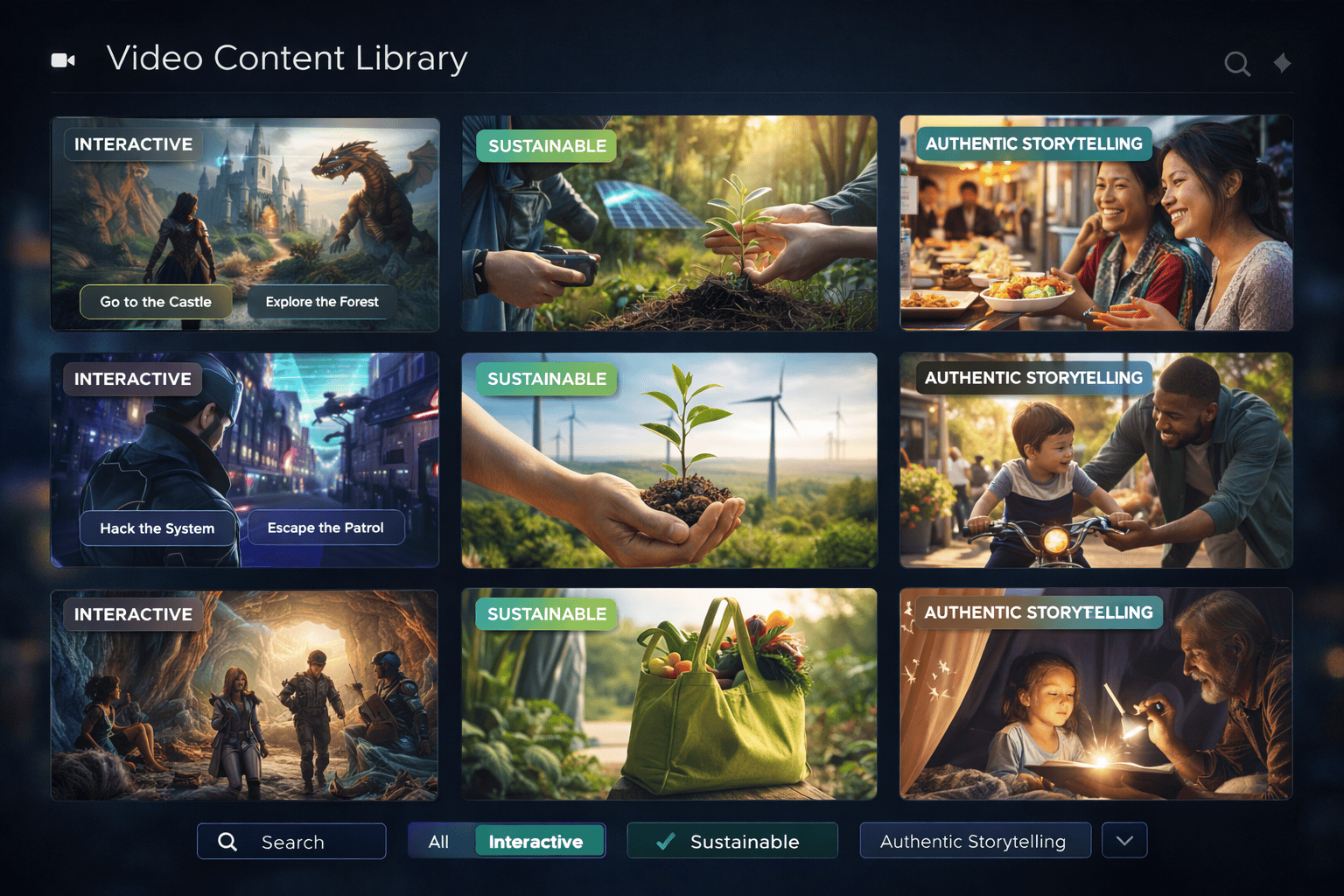
 A visually appealing representation of a video content library, displaying various videos with tags for different trends—interactive, sustainable, and authentic storytelling.


The Era of "Vibe-Based" Algorithms

Social media platforms themselves have pivoted. The algorithms of TikTok, Instagram, and the emerging decentralized platforms of 2026 now prioritize content that generates "constructive engagement." They suppress rage-bait and amplify community building.

This means that for a brand to achieve organic reach, it must generate positive social media sentiment. Content that sparks joy, inspiration, or helpful discussion gets rewarded with visibility. Brands are now acting less like broadcasters and more like community hosts. They are cultivating spaces where sentiment is naturally positive because the interactions are meaningful. The brands winning in 2026 are the ones that make their customers feel good, quite literally hacking the algorithm with positivity.

Authenticity: The Driver of Positive Sentiment

So, how do brands cultivate this valuable currency? The answer, unequivocally, is radical authenticity. The consumer of 2026 is equipped with sophisticated BS-detectors. They have grown up in an era of deepfakes and AI-generated influencers. Consequently, they crave humanity.

We are seeing a trend where C-suite executives are stepping out from behind the corporate veil to engage directly on social platforms. When a CEO responds with empathy to a customer issue, or when a brand admits a mistake openly without corporate jargon, social media sentiment spikes. Vulnerability is a strength. Brands that try to curate a perfect, polished image are viewed with suspicion, whereas brands that show their rough edges and humanity are rewarded with loyalty.

The Role of Employee Advocacy

Another major driver of sentiment in 2026 is employee advocacy. Consumers trust employees more than they trust marketing departments. When employees share their genuine, positive experiences of working for a company, it creates a "halo effect" around the brand.

Smart companies are empowering their workforce to be creators. They are providing training and guidelines, then stepping back to let their people tell the story. When the internal culture is healthy, the external social media sentiment reflects that. It turns the brand from a faceless entity into a collective of real people, making it much harder for consumers to switch to a competitor solely based on price.
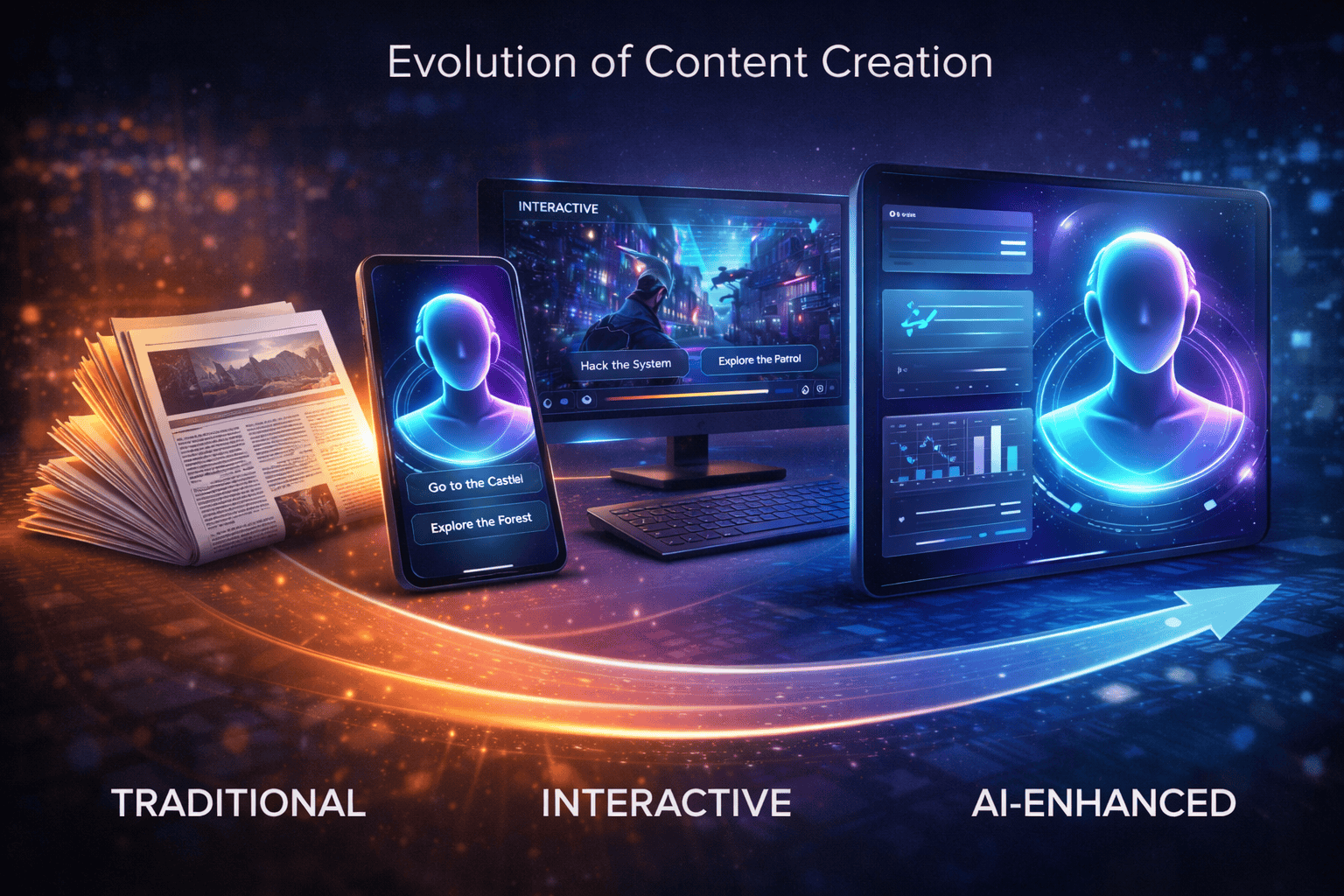
A graphic representation of the evolution of content creation, featuring traditional content formats transitioning into interactive and AI-enhanced formats, symbolizing the future landscape of content strategies.


Navigating Negative Sentiment

Of course, no brand is immune to negativity. However, the approach to handling negative social media sentiment has matured. In the past, the strategy was often to delete, ignore, or issue a sterile press release. In 2026, the strategy is "The Aikido Approach"—using the energy of the attack to pivot to a positive outcome.

Brands are using negative sentiment as an opportunity to demonstrate superior customer service publicly. A complaint is viewed as a stage. By resolving the issue with speed, empathy, and generosity in the public eye, brands can convert a detractor into a promoter. The audience watching the exchange sees a brand that cares, often resulting in a net increase in positive sentiment despite the initial complaint.

Financial Implications: Sentiment and Stock Price

Perhaps the most compelling evidence of this shift is the correlation between sentiment and valuation. Investment firms and hedge funds in 2026 are scraping social data to factor social media sentiment into their trading algorithms. A sustained dip in sentiment is now a leading indicator of a drop in quarterly earnings.

CMOs are now presenting sentiment analysis data in boardroom meetings alongside traditional financial KPIs. They are demonstrating that investing in brand love—through better customer service, ethical sourcing, and community engagement—is not just a "soft" cost but a hard investment in the company's financial future.

Conclusion

As we look forward, it is clear that the transactional nature of the internet is being replaced by a relational one. Social media sentiment is the metric that captures the health of those relations. In 2026, brand loyalty cannot be bought with ad spend; it must be earned through emotional intelligence, consistency, and genuine care. For brands willing to listen to the heartbeat of their audience, the rewards are loyalty, longevity, and a level of advocacy that money simply cannot buy.


Social Media Advertising Strategies for Small Businesses

Social Media Advertising Strategies for Small Businesses

Social Media Advertising Strategies for Small Businesses

Social media has become an integral part of many small business marketing strategies. With billions of people using social media platforms like Facebook, Instagram, and Twitter, it’s an excellent way to reach a broad audience and increase brand awareness. However, to get the most out of social media advertising, small businesses need to have a clear strategy in place. In this article, we’ll discuss some effective social media advertising strategies for small businesses, along with examples.

  1. Define Your Target Audience

The first step in any social media advertising strategy is to define your target audience. Who are the people you want to reach with your ads? What are their interests, demographics, and behaviors? By understanding your target audience, you can create ads that are tailored to their needs and interests.

Example: A local coffee shop might target people in the local area who are interested in coffee, food, and drinks.

  1. Set Clear Objectives

Before you start advertising on social media, it’s essential to set clear objectives for what you want to achieve. Do you want to increase brand awareness, drive website traffic, generate leads, or increase sales? By setting specific objectives, you can measure the success of your ads and adjust your strategy accordingly.

Example: A small online retailer might set an objective to increase website traffic by 20% in the next month.

  1. Choose the Right Platform

There are many social media platforms available, and it’s essential to choose the right ones for your business. Facebook, Instagram, Twitter, LinkedIn, and Pinterest all have different audiences and advertising options. Consider which platforms your target audience uses and which ones are best suited to your advertising objectives.

Example: A small B2B software company might choose to advertise on LinkedIn to reach a professional audience.

  1. Create Engaging Ad Content

To be effective, your social media ads need to be visually appealing and engaging. Use high-quality images and videos, and write compelling ad copy that grabs the attention of your target audience. Consider using humor, emotional appeals, or other tactics to create a connection with your audience.

Example: A local pet store might create an ad featuring a cute puppy with the tagline, “Bring home your new best friend today!”

  1. Use Targeting Options

Social media advertising platforms offer a range of targeting options that can help you reach your desired audience. You can target people based on their interests, behaviors, demographics, and more. Use these targeting options to ensure your ads are seen by the people most likely to be interested in your product or service.

Example: A small fitness studio might target people in the local area who are interested in health and fitness.

  1. Monitor and Adjust Your Campaigns

Once your ads are live, it’s essential to monitor their performance and adjust your campaigns as needed. Use the analytics provided by social media platforms to track your ad’s reach, engagement, and conversions. If your ads aren’t performing well, try adjusting your targeting, ad content, or bidding strategy.

Example: A small clothing retailer might adjust their ad targeting based on which products are selling the best.

Social media advertising can be an effective way for small businesses to reach a broad audience and increase brand awareness. By defining your target audience, setting clear objectives, choosing the right platform, creating engaging ad content, using targeting options, and monitoring and adjusting your campaigns, you can create a successful social media advertising strategy. Remember to experiment with different ad formats, targeting options, and ad content to find what works best for your business. With a well-crafted social media advertising strategy, small businesses can compete with larger companies and reach their desired audience effectively.

Brand Management on Social Media

Brand Management on Social Media

Brand Management on Social Media: Building Trust and Loyalty in the Digital Age

In today’s hyperconnected world, social media is no longer an optional marketing tool, it is the central stage for brand identity, reputation, and customer relationships. With over 4.8 billion social media users worldwide, platforms like Instagram, LinkedIn, X (formerly Twitter), Facebook, and TikTok have become the battlegrounds where brands compete for attention, loyalty, and trust. Effective brand management on social media requires more than just posting beautiful visuals or witty captions. It’s about cultivating an authentic presence that aligns with your company’s values, resonates with your audience, and adapts to constant digital evolution.

1. The Role of Social Media in Brand Management

Social media has democratized branding. Unlike traditional media where communication was one-way, social platforms allow real-time engagement, giving customers a voice and brands an opportunity to listen and respond. The power balance has shifted: consumers now co-create a brand’s image through reviews, shares, and user-generated content.

Successful brand management in this landscape means maintaining consistency across platforms while adapting tone and content to each audience segment. For example, a brand may take a more professional voice on LinkedIn while embracing humor or cultural trends on TikTok. This flexibility, grounded in a strong identity, is key to staying relevant without losing authenticity.

2. Defining a Clear Brand Identity

At the heart of brand management is identity. The unique DNA that defines your brand. Before launching campaigns or hashtags, a business must articulate its core values, mission, voice, and visual language. A well-defined brand identity answers questions such as:

  • What do we stand for?
  • Who are we speaking to?
  • How do we want people to feel when they interact with us?

Consistency is crucial. Logos, color palettes, fonts, and tone of voice should remain uniform across posts and platforms. However, consistency doesn’t mean rigidity. Smart brands allow creativity within boundaries, adapting visual and verbal styles for different audiences while maintaining recognizable brand cues.

3. Crafting a Content Strategy that Connects

Content is the currency of social media brand management. Each post contributes to public perception, so strategy matters. A strong content mix blends educational, entertaining, and promotional material to engage followers without overwhelming them with sales messages.

For example:

  • Educational content (tutorials, industry insights, infographics) positions the brand as a thought leader.
  • Storytelling content (customer testimonials, behind-the-scenes videos) humanizes the brand.
  • Interactive content (polls, live sessions, Q&As) builds community and invites participation.

An editorial calendar helps maintain consistency and ensures posts align with marketing goals, product launches, and cultural moments. Brands should also optimize content formats. Short-form videos for Instagram Reels or TikTok, long-form thought pieces for LinkedIn, and quick updates or customer support replies for X.

4. Building and Maintaining Engagement

Brand management on social media thrives on relationships, not reach alone. Engagement metrics, likes, shares, comments, mentions all reflect how audiences connect with your message. Responding promptly to comments and inquiries shows attentiveness and fosters trust.

Authenticity is key. Today’s consumers can easily spot performative marketing or insincere apologies. Brands must be transparent about their practices and responsive to feedback, especially during crises. When handled well, even negative comments can strengthen credibility by showing accountability and care.

Influencer collaborations are another valuable engagement strategy. By partnering with credible voices who align with your brand’s values, you extend your reach while reinforcing authenticity. Micro-influencers, in particular, often deliver high engagement due to their close-knit communities.

5. Monitoring Brand Perception and Reputation

No matter how strong your strategy, brand perception can shift quickly in the volatile world of social media. That’s why continuous monitoring is essential. Social listening tools such as Hootsuite, Sprout Social, and Brandwatch help track mentions, hashtags, and sentiment across platforms, allowing brands to detect emerging trends, measure campaign effectiveness, and address issues proactively.

When crises arise whether from a product complaint or a viral controversy, a timely, well-managed response can prevent escalation. The best crisis management strategies combine honesty, empathy, and prompt action. Brands should acknowledge concerns, take responsibility where appropriate, and communicate solutions clearly. Silence or defensiveness can do lasting damage.

6. Leveraging Data and Analytics

Social media platforms provide rich data on user behavior, engagement, and demographics. Effective brand managers turn these insights into actionable strategies. Analytics can reveal which content performs best, what times yield higher engagement, and which audience segments are most valuable.

Beyond surface metrics like followers or likes, focus on meaningful KPIs—such as engagement rate, brand sentiment, and conversion from social media interactions. A data-driven approach ensures marketing decisions are guided by evidence, not assumptions.

7. The Importance of Storytelling and Humanization

Modern consumers crave connection, not just consumption. Storytelling transforms a brand from a logo into a living narrative. Whether sharing a founder’s journey, highlighting community impact, or featuring customer success stories, authentic storytelling builds emotional resonance.

Humanizing your brand also involves showing the faces behind it employees, partners, and satisfied customers. This transparency reinforces trust and fosters a sense of belonging. Brands like Nike, Dove, and Apple have mastered this by intertwining human stories with their core values, creating loyalty that transcends products.

8. Adapting to Emerging Trends

Social media trends evolve rapidly. What works today may be outdated tomorrow. Brands must remain agile, experimenting with new formats like short videos, interactive filters, or live shopping. Artificial intelligence, augmented reality, and personalization are shaping the next frontier of digital branding, enabling tailored experiences for each user.

Yet, amidst innovation, the fundamentals remain: authenticity, clarity, and connection. Trends should enhance, not replace, a brand’s identity. Jumping on every viral challenge without alignment can dilute credibility.

9. Conclusion: The Ongoing Journey of Brand Management

Brand management on social media is a continuous process of listening, adapting, and engaging. It’s about more than visibility, it’s about building trust and loyalty in a dynamic, participatory environment. The most successful brands are those that treat social media not as a marketing channel but as a living ecosystem. One that thrives on dialogue, authenticity, and shared values.

In essence, social media brand management is not a sprint but a marathon. It demands patience, creativity, and consistency. Brands that embrace this approach will not only survive the ever-changing digital landscape, they will shape it.

Redefining Social Media Advertising for Nigerian Small Businesses

Redefining Social Media Advertising for Nigerian Small Businesses

Redefining Social Media Advertising for Nigerian Small Businesses


The digital landscape in Nigeria presents a paradox that challenges conventional marketing wisdom. While social media platforms have become the primary battleground for customer acquisition among Nigerian SMEs, a staggering 64% of businesses report difficulty measuring meaningful ROI from their social advertising investments (Statista, 2023). This disconnect between platform ubiquity and strategic effectiveness reveals a fundamental gap in how Nigerian businesses approach social media advertising.

At s.cubedstudios, our analysis of over 200 Nigerian SME campaigns reveals that success lies not in following global best practices, but in engineering advertising strategies that acknowledge and leverage Nigeria's unique digital ecosystem. The difference between thriving and surviving in this market often comes down to understanding the nuanced interplay between cultural context, technological constraints, and consumer behavior patterns that define the Nigerian digital experience.


The Nigerian Digital Context: Beyond Platform Statistics

Nigeria's social media landscape operates on principles that diverge significantly from Western markets. Facebook's 22 million Nigerian users (NapoleonCat, 2023) represent more than passive content consumers; they constitute active participants in a digital economy where trust, community validation, and cultural resonance determine purchasing decisions. The revelation that 35% of Lagosians now shop via Instagram Reels (GSMA, 2023) signals a fundamental shift toward visual commerce that transcends traditional e-commerce models.

Perhaps more intriguingly, platforms like X (formerly Twitter) have evolved into sophisticated customer service ecosystems, particularly within Nigeria's dynamic fintech sector. This evolution reflects a broader trend where Nigerian consumers expect real-time, conversational engagement from brands, transforming social platforms from advertising channels into comprehensive customer relationship management systems.


Strategic Architecture: Moving Beyond Demographic Targeting

The sophistication of successful Nigerian social media campaigns lies in their approach to audience architecture. Traditional demographic targeting yields mediocre results in a market where cultural affinity often outweighs economic indicators. Progressive Nigerian businesses are discovering the power of psychographic layering, combining interest-based targeting with behavioral patterns specific to local contexts.

Consider the strategic approach of layering "Nollywood enthusiasts" with "aspiring entrepreneurs" to reach potential customers for business development services. This methodology, which we term "cultural intersection targeting," has consistently outperformed traditional age and income-based segments. One Abuja-based restaurant client achieved a 60% reduction in cost per acquisition by targeting individuals who demonstrated both interest in local cuisine and engagement with neighborhood community groups.

The platform-specific creative strategies that drive results in Nigeria require deep understanding of local communication preferences and consumption patterns. Facebook's carousel format becomes powerful when used to tell product stories that resonate with Nigerian narrative traditions. Instagram's vertical video ads achieve maximum impact when incorporating local languages like Yoruba or Pidgin, creating authentic connections that transcend mere product promotion. LinkedIn, often overlooked in Nigerian B2B strategies, proves remarkably effective for lead generation when content focuses on local case studies and success stories rather than generic business advice.


Operational Excellence in Constrained Environments

Budget optimization in the Nigerian market demands strategic thinking that acknowledges both opportunity and constraint. The practice of initiating campaigns with ₦5,000 daily test budgets reflects not just cost consciousness, but intelligent market entry strategy. These initial investments serve as sophisticated market research tools, generating engagement data that informs larger campaign investments.

The strategic use of engagement campaigns to warm audiences before implementing retargeting represents sophisticated funnel management adapted to Nigerian consumer behavior. Nigerian consumers typically require multiple touchpoints and social proof before making purchasing decisions, making this warming strategy essential for sustainable campaign performance.


Addressing Systemic Challenges Through Strategic Innovation

Nigerian businesses face unique challenges that require innovative advertising approaches. The persistent issue of consumer trust in digital transactions has led successful companies to integrate user-generated content and payment verification badges directly into their advertising creative. This strategy transforms potential weaknesses into competitive advantages by addressing consumer concerns proactively rather than reactively.

Data cost sensitivity among Nigerian consumers has inspired creative approaches to advertising content. Successful campaigns increasingly feature compressed video content under 15 seconds and text-heavy images that convey value propositions without consuming excessive data. This constraint has paradoxically led to more focused, impactful creative that communicates brand messages more effectively than data-intensive alternatives.

The challenge of ad fatigue in Nigeria's highly connected urban markets has driven the development of dynamic creative rotation strategies. Successful businesses now implement bi-weekly creative refreshes that incorporate trending sounds, local memes, and current events, maintaining relevance and engagement in fast-moving digital conversations.


Measurement Frameworks for Sustainable Growth

The evolution beyond vanity metrics represents a maturation of Nigerian digital marketing that mirrors global trends while addressing local realities. Progressive businesses now focus on Cost Per Lead (CPL) calculations that account for the extended sales cycles common in Nigerian markets. The relationship between Customer Lifetime Value (CLV) and Customer Acquisition Cost (CAC) provides crucial insights for sustainable growth strategies.

A compelling example emerges from a Lagos pharmacy client who achieved ₦8 in CLV for every ₦1 invested in advertising through strategic WhatsApp retargeting. This success illustrates how platform integration and local communication preferences can create exponential returns when properly executed.


The Conversational Commerce Revolution

The integration of conversational commerce represents the next evolution in Nigerian social media advertising. The statistic that 70% of Nigerian shoppers message brands before purchasing (Meta, 2023) reveals an opportunity that extends far beyond traditional advertising metrics. Forward-thinking businesses are implementing WhatsApp Business API integrations that transform advertising clicks into automated sales conversations.

This approach acknowledges a fundamental truth about Nigerian consumer behavior: purchasing decisions are inherently social and conversational. Businesses that can seamlessly transition prospects from social media advertisements into meaningful conversations consistently outperform those relying on traditional conversion mechanisms.


Strategic Implications for Industry Leaders

The data revealing that Nigerian businesses using geo-targeted social ads achieve 3x higher engagement than global averages (ScubedStudios Campaign Data, 2023) suggests that local relevance creates disproportionate competitive advantages. This finding challenges the conventional wisdom that global advertising strategies can be successfully localized through simple translation or demographic adjustment.

Instead, the most successful Nigerian social media advertising strategies emerge from deep understanding of local cultural dynamics, technological constraints, and consumer behavior patterns. The businesses that will dominate Nigeria's digital economy are those that view these unique characteristics not as limitations to overcome, but as competitive advantages to leverage.


Conclusion: The Strategic Path Forward

Social media advertising in Nigeria represents more than a marketing channel; it constitutes a strategic imperative for businesses seeking sustainable growth in Africa's largest economy. The convergence of massive platform adoption, sophisticated targeting capabilities, and evolving consumer preferences creates unprecedented opportunities for businesses willing to invest in culturally intelligent, strategically sophisticated advertising approaches.

The future belongs to Nigerian businesses that can combine global digital marketing sophistication with deep local market intelligence. Success requires moving beyond tactical campaign management toward strategic ecosystem thinking that integrates social media advertising with broader customer relationship management, brand building, and business development objectives.

For industry professionals, the Nigerian market offers a compelling case study in how emerging economies can leapfrog traditional marketing evolution, creating innovative approaches that may well influence global digital marketing practices. The businesses that recognize and act on this opportunity today will define the competitive landscape for years to come.


References:

  1. Statista (2023). Social Media Adoption in Nigeria
  2. GSMA (2023). Mobile Economy: West Africa
  3. Meta (2023). Conversational Commerce Trends: Nigeria
  4. NapoleonCat (2023). Nigeria Social Media User Statistics
The Awesome Marketing Power Of Instagram

The Awesome Marketing Power Of Instagram

 The Marketing Power of Instagram

Marketing over the years, has been a major contributing factor to the growth of every businesses. It determines how far your product will reach its consumers/customers, hence the major reason why businesses depend on it for success.

Instagram as a trending social media platform has a lot of marketing power/strategies which we shall be looking at in this article to reveal the awesome marketing power of Instagram.

When Instagram started, it was a mere photo sharing app but now it has grown to leaps and bounds. According to research, there are over 500millions of Instagram users globally, which is still increasing on a daily basis. The thing about Instagram is that it gives the world what it wants to see by the sharing of photos and videos. Earlier, Individuals just use the app to share their personal pictures, but today businesses have started using Instagram to share all their update. This trend has increased as Instagram marketing represents a brand through pictures and celebrates its uniqueness with its audience.


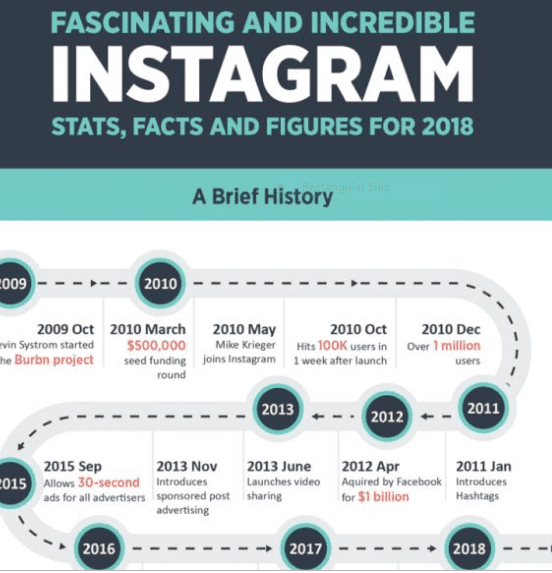
Below is a chart showing a brief history of Instagram and its growth over the years.

If you are still wondering how powerful this platform is, well here are some statistics that will make you understand how powerful this platform has become.

Branded hashtags: 

An evidence that Instagram users are extremely receptive to business and advertising content is the fact that approximately 70 percent of hashtags on Instagram are branded. The use of strong hashtags and stories is one of the marketing powers of Instagram. It has made Instagram one of the most powerful social media platforms. To increase the engagement rate of brands, users are encouraged to add hashtags to their posts and stories, as one recent study revealed that Instagram posts with at least one hashtag boast 12.6 percent more engagement than those without it.

It is possible to add up to 30 hashtags to each post, but brands should be careful not to overdo it, with up to 10 hashtags per post usually considered the optimum number. Brands should also take time to choose the most relevant hashtags, instead of just picking the most popular ones, because their posts could end up getting lost in a sea of other content. Also, if you include hashtags in your posts it will allow your brand to reach even those users who are not your followers. Another useful tool to use to make your audience grow is the Geo-tagging. With Geo-tagging, posts receiving 79 percent more engagements will be achievable.

Unending Increase of monthly users:

The total number of monthly Instagram users continues to grow at a steady rate of about 5 percent per quarter, even with more than 1 billion users as at june,2018, this platform still has more room for growth. Its users are growing more than Facebook and twitter whose monthly user base growth is just 3 percent and 1 percent respectively. This growth in Instagram users may continue until 2021, where user growth will later slow down after 2021 as the supply of potential new users will decline.

High engagement rate:

Instagram has engagement rates 15 times higher than Facebook and 20 times higher than twitter. Most business owners know that getting people to engage with your content is more important than simply having views. For them to have this high engagement they do that using Instagram, and that is by having an Instagram account and advertising most, if not all their products on Instagram.

Business Inclined:

80% of Instagram users follow at least one business. One of the major challenges of modern digital advertising is that most consumers, particularly younger ones are getting tired of having ads served to them on social media. This kind of experience is not observed on Instagram because 80 percent of accounts follow one or more businesses.

 Beautiful and Attractive images:

Instagram allows users to edit photographs with a variety of different filters. Currently, twenty distinct filters are offered and they all produce distinct visual effects from cooling to desaturation to extreme contrast. Because of these beautiful pictures created on Instagram, it helps the user to gain more attention on their pages than they get while using other platforms. Also, with the introduction of carousel to Instagram, posting of images on Instagram is now more creative and more attractive

Easy to use:

Instagram is very simple to use and has the potentials to get your name and links from millions of potential customers very quickly. When you first set up your account, you are allowed to include one link in your profile. Be sure to list your main website here because your user name will hyperlink to your profile page where your main website is prominently displayed. You choose your user name carefully because you cannot change it if you make a mistake.

Connection with other platforms:

When you are about to post or share a post, you have the option to have it automatically posted immediately to Facebook and twitter as well. Here is where the power of social media can really explode your visibility and business. Statistics has shown that no doubt Instagram has a very strong marketing and hence, the reason why its most used by consumers, and from all that has been explained above we now know the reason why.

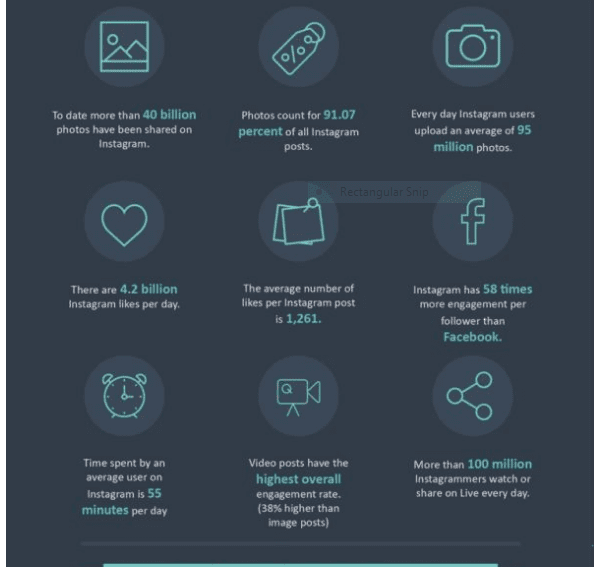
This also will be further explained in the chart below:

                                                                   The Awesome Marketing Power Of Instagram


You can observe from the chart the high number of users, the level of engagements, the increase in the number of likes, time spent on Instagram by the users which is very much compared to users of other social media platforms. Even with these achievements, the marketing power and the growth of Instagram seems not to be ending or taking a turn, therefore I will advise you tap into this wonderful social media giant of our time and apply its marketing strategies in your businesses. We have talked about these strategies and marketing hacks in previous articles on our page, read them and apply them in your business so you too can share your own success story in years to come.


8 Steps in Creating Effective Social Media Marketing Strategy

8 Steps in Creating Effective Social Media Marketing Strategy

8 Steps in creating social media marketing

A social media marketing strategy is a summary of everything you plan and hope to achieve on social media. Strategy helps you to know what to do and measures your success or failure.

To create a social media strategy, We will consider the following steps:

(1)  Goals Setting:

we set social media that are inline with business objectives. Setting our goals we consider the acronym S.M.A.R.T which stands for

  • Specific.
  • Measurable.
  • Attainaable.
  • Relevant.
  • Time-band.

These guides your actions which will lead to great results. It is also important to consider and track meaninful metrics. We have vanity metricslike retweets and likes which are easy to track but their real values cannot be proven, Therefore we focus on targets such as lead generated, web referrals and conversion rate.

(2) Learning about your audience;

Your audience is your ideal customer, Therefore it is important to know what they like, comment on and share. It is also possible to convert some of your social media followers to your customers, for every follower invited or not, who like or comment on your posts is a potential customer. To achieve this, it is important you create an audience personas, Gather real-world data, and if possible create a positive interactive section.

(3) Research the competition:

Every business has a competition. It is therefore important you know the strenght and weakness of your competitor. To do this you have to conduct a competitive analysis and engage in social listening.

(4) Conduct a social media audit:

While carrying out your strategies it is important that you examine and measure your efforts from time to time. By doing this, you will know what is working and what is not, Who is is connecting with you on social media, which networks does your target audience use and what is the strenght of your major competitor over you.

Note that there might be some impostor accounts who might be using your business name. It is important to report such account to protect the interest and safety of your customers and your business.

(5) Set up accounts and improve existing profiles:

While you define which network to use, you will also define your strategy for each of these networks. In most cases facebook, instagram and snapchats are popular among the younger generation. It is also important to create a solid mission statement for a particular social network.

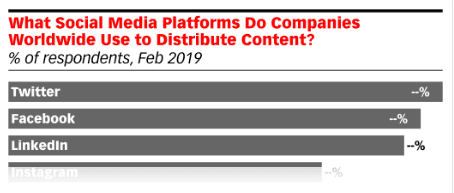
Below is a chart showing the methods used to communicate with customers in the month of february, 2019.

8 Steps in creating social media marketing


(6) Draw inspiration from other businesses:

To do this, you can analyze other businesses that are great on social media by;

  1. a) knowing their social network success stories.
  2. b) Knowing award winning accounts and campaigns.
  3. c) Identifying your favourite brand on social media examples are national geographic for instagram and IKEA for twitter.

(7) Creating a social media content calendar:

For your content to get the maximum impact on your audience, It is important you create a posting schedule and plot your content mix. Your schedule includes both your day-to-day posting and content for social media campaigns. It lists the dates and times at which you will publish types of content on each channel. It plans all your social media activities ranging from images and link sharing to blog posts and videos. It ensures your posts are spaced out properly and published at the right time. It is important that your calendar reflects the mission statement you have assigned to each social profile so that everything you post is working to support your business goals.

(8) Evaluating and adjusting your strategy:

For the first time when implementing your strategies you may experience some drawbacks or falls, this should not get you discouraged, rather it should warm you up for a better performance. To evaluate and adjust your strategy it is important to track your date by tracking your social visitors as they move through your website. This is to enable you see exactly which social posts drive the most traffic to your website. You can also use this information to test different posts, campaign and strategies against one another. Constant testing allows you to understand what works and what does not work, so you can refine your strategy in time. It is important you carry out surveys like knowing their needs and expectations and what they will like to see more.

Pin It on Pinterest