
insert_pixel_code_here(Facebook Pixel code)
The Evolution of Web Design: Simplicity Meets Expressiveness in 2026

The Evolution of Web Design: Simplicity Meets Expressiveness in 2026

The Evolution of Web Design in 2026: Where Simplicity Meets Brand Expression


Web design has always evolved in cycles, but the changes shaping 2026 feel less like a passing trend and more like a natural convergence of best practices. After years of minimalism, brutalism, and maximalist experimentation, modern web design has found a balance where simplicity and brand expression work together.

Today's websites are cleaner, faster, and more accessible than ever before. At the same time, they deliver stronger storytelling, emotional engagement, and distinctive brand identities. With more than 15 years of experience in UX, UI, and product strategy, I've witnessed the transition from skeuomorphic interfaces and flat design to highly personalised, system-driven digital experiences. In 2026, great web design is no longer just about aesthetics—it requires clarity, consistency, and character at every touchpoint.

Moving Beyond Generic Minimalism

In the early 2020s, many websites looked remarkably similar. Large hero images, centred headlines, rounded cards, soft gradients, and minimalist layouts became the default design language across industries. While these websites appeared polished and professional, they often lacked uniqueness.
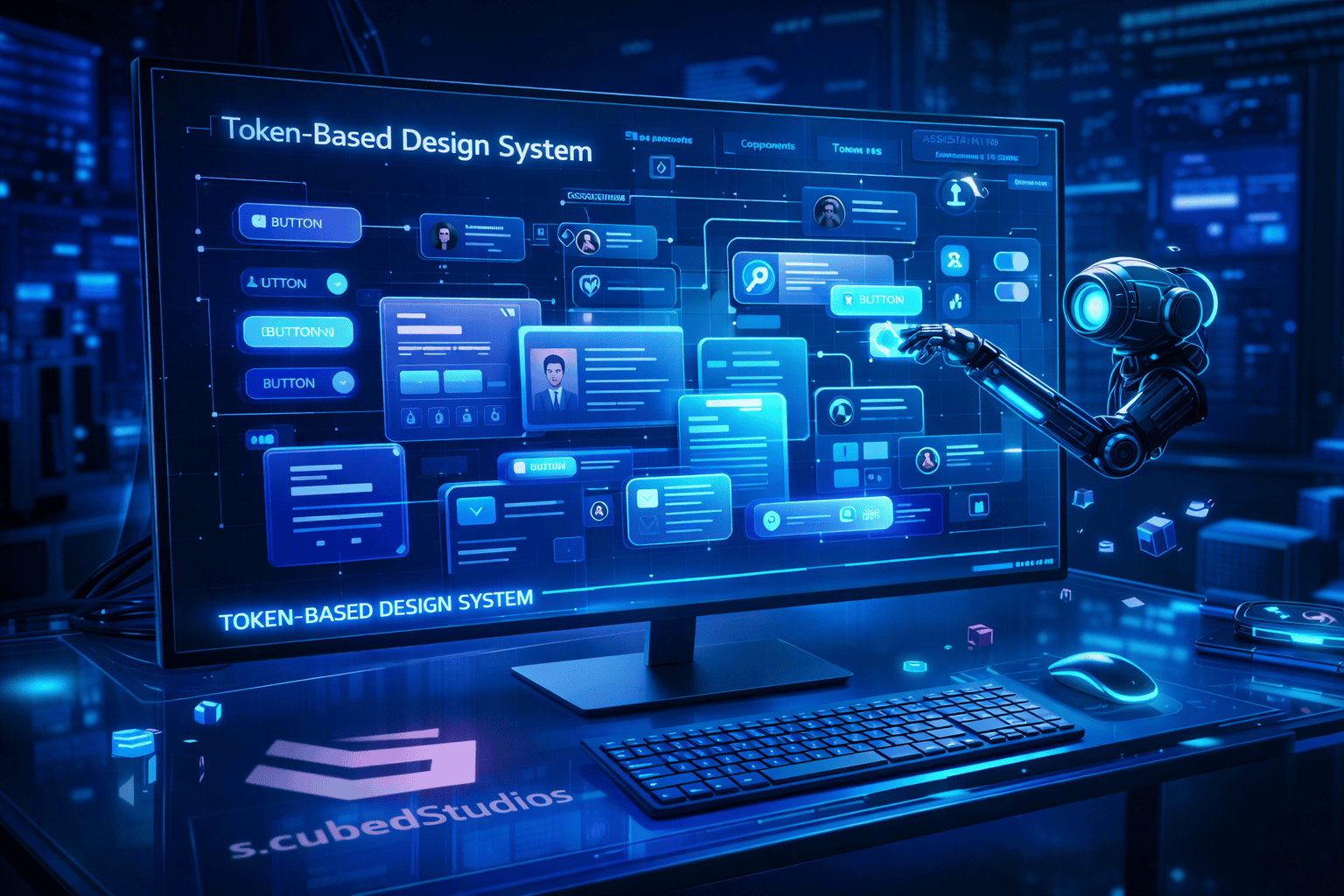
Futuristic token-based design workspace

Futuristic token-based design workspace


As competition increased and customer acquisition costs rose, businesses realised that attractive but generic websites were no longer enough. Brands needed to stand out.

Today, simplicity remains a core principle of modern web design. Fast-loading pages, intuitive navigation, and clear visual hierarchies continue to improve user experience. However, businesses are now pairing simplicity with stronger visual identities.

Key trends include:

  • Custom typography and variable fonts
  • Purpose-driven colour systems
  • Unique illustrations and visual assets
  • Subtle 3D elements and textures
  • Stronger brand storytelling throughout the user journey

The result is a web experience that feels both intuitive and memorable.

Component-Driven Design and Design Systems 2.0

Design systems have evolved from industry buzzwords into essential business assets. In 2026, token-based design systems help organisations maintain consistency across websites, mobile apps, digital products, kiosks, and other customer-facing platforms.

These systems define:

  • Colours
  • Typography
  • Spacing
  • Border radius values
  • Shadows
  • Motion behaviours

AI-powered theming tools now assist teams in generating on-brand variations for campaigns, regional markets, and seasonal promotions. While the design system handles consistency across 80–90% of components, designers focus on storytelling, layout composition, and user engagement.

This approach allows organisations to scale efficiently while preserving a distinctive brand identity.
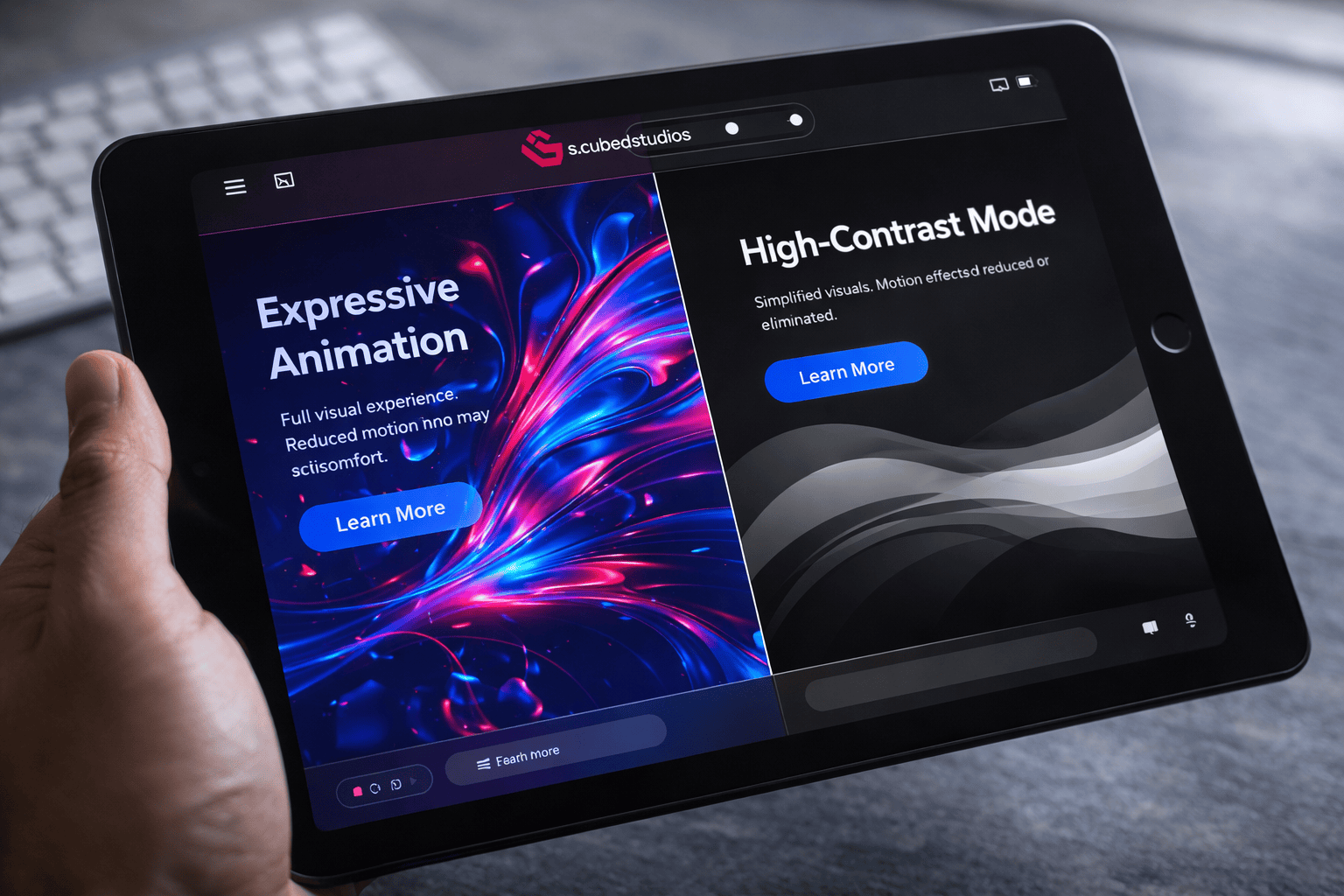
Tablet showing expressive vs high-contrast modes

Performance, Accessibility, and Core Web Vitals Are Now Standard

Website performance and accessibility are no longer optional. They have become fundamental requirements for successful digital products.

Google's Core Web Vitals continue to influence design and development decisions from the beginning of every project. Key performance metrics include:

  • Largest Contentful Paint (LCP)
  • Cumulative Layout Shift (CLS)
  • Interaction to Next Paint (INP)

Rather than treating performance optimisation as a final-stage task, teams now incorporate these requirements during planning, design, and development.

Accessibility has also evolved beyond compliance. Leading organisations view accessibility as a strategic KPI that improves usability for all users.

Modern websites increasingly support:

  • Reduced-motion preferences
  • High-contrast viewing modes
  • Optimised dark and light themes
  • Screen reader compatibility
  • Voice navigation
  • Low-bandwidth experiences

Designers are building for diverse audiences, devices, and cognitive needs rather than focusing solely on premium hardware.

Motion Design with Purpose

Between 2022 and 2026, motion design matured into a strategic UX tool.

The era of excessive parallax effects and distracting animations has largely ended. Instead, motion is now used to improve usability and guide users through digital experiences.

Effective motion design helps:

  • Direct user attention
  • Clarify page transitions
  • Provide interactive feedback
  • Reinforce brand personality
  • Improve perceived usability

Many brands now develop unique motion signatures that include specific easing curves, timing patterns, and animation behaviours. These subtle details help create a cohesive brand experience without sacrificing performance.

Importantly, reduced-motion preferences are respected by default, ensuring accessibility remains a priority.

Personalisation and Adaptive User Experiences

Personalisation in 2026 has become more transparent and user-focused.

Modern websites use adaptive content blocks that respond to factors such as:

  • User behaviour
  • Geographic location
  • Customer role
  • Previous interactions

Users can also customise their experiences through persistent preference settings, including:

  • Font size
  • Contrast levels
  • Interface density
  • Content formats

Artificial intelligence plays an increasingly important role in personalisation, but transparency remains critical. Users expect clear explanations for recommendations and easy access to controls that allow them to modify or disable personalised experiences.

Neon cursor trail and logo design

Neon cursor trail and logo design


The Rise of Multimodal and Voice-Integrated Interfaces

The web is no longer limited to traditional screen interactions.

Voice search, conversational interfaces, and multimodal experiences are becoming standard components of modern digital products.

Today's websites increasingly support:

  • Voice-enabled navigation
  • Voice-powered search
  • Conversational assistants
  • AI-driven onboarding experiences
  • Augmented reality product visualisation
  • Virtual reality experiences with accessible fallbacks

Design teams now consider how users interact through speech, chat, touch, and traditional navigation methods. Content must be flexible enough to work across multiple interaction models while maintaining consistency and usability.

Ethical and Trust-Centred Design

Years of dark patterns, misleading interfaces, and opaque data practices have increased consumer demand for transparency.

As a result, ethical design has become a major focus in 2026.

Leading organisations prioritise:

  • Clear privacy communication
  • Transparent data collection policies
  • Honest subscription processes
  • Simple cancellation workflows
  • Verified customer reviews
  • Clear sponsorship disclosures

Trust-centred UX not only improves user confidence but also contributes to higher conversion rates, stronger customer relationships, and greater long-term loyalty.

Conclusion

The future of web design is built on balance.

The most successful websites combine simplicity in structure with expressiveness in execution. They deliver fast, accessible, and reliable experiences while maintaining a distinctive brand identity that resonates with users.

As digital experiences continue to evolve, organisations that successfully integrate performance, accessibility, storytelling, personalisation, and ethical design into cohesive systems will be best positioned to lead the next generation of web innovation.

In 2026, great web design is no longer about choosing between simplicity and creativity—it is about mastering both.

Consumer Technology Trends of 2026: What to Expect in Our Daily Lives

Consumer Technology Trends of 2026: What to Expect in Our Daily Lives

Consumer Technology Trends of 2026: What to Expect in Our Daily Lives

The pace of technological evolution is nothing short of breathtaking. Having spent the last 15 years analyzing tech markets and consumer behavior, I’ve seen trends come and go, but the shift we are witnessing as we approach 2026 is fundamentally different. It is no longer just about faster processors or sleeker screens; it is about integration, intuition, and the seamless blending of the digital and physical worlds.

In 2026, technology is not just something we use; it is the fabric of our daily existence. From the moment we wake up to the moment we wind down, the consumer technology trends of 2026 are designed to anticipate our needs, enhance our productivity, and redefine how we interact with our environment. In this article, I will guide you through the most impactful advancements poised to shape our daily lives, offering a glimpse into a future that is smarter, more sustainable, and deeply interconnected.

The Smart Home Becomes the Intuitive Home

For years, the "smart home" promised a revolution that often amounted to little more than voice-activated lights and remote-controlled thermostats. However, one of the most significant consumer technology trends of 2026 is the transition from "smart" to "intuitive."

By 2026, our homes will no longer wait for commands; they will anticipate them. Powered by advanced ambient intelligence and local processing (Edge AI), your home environment will learn your biometrics and behavioural patterns. Imagine waking up, and your home ecosystem automatically adjusts the lighting temperature to mimic the sunrise, brews your coffee to your specific preference based on your sleep quality data from the night before, and displays your day's schedule on a smart mirror.

This isn't sci-fi; it's the maturity of the Internet of Things (IoT). We are seeing the widespread adoption of Matter 2.0 protocols, ensuring that devices from Apple, Google, Amazon, and niche manufacturers communicate flawlessly. The friction of the early 2020s smart home is gone, replaced by a predictive environment that manages energy consumption, security, and comfort without you lifting a finger.

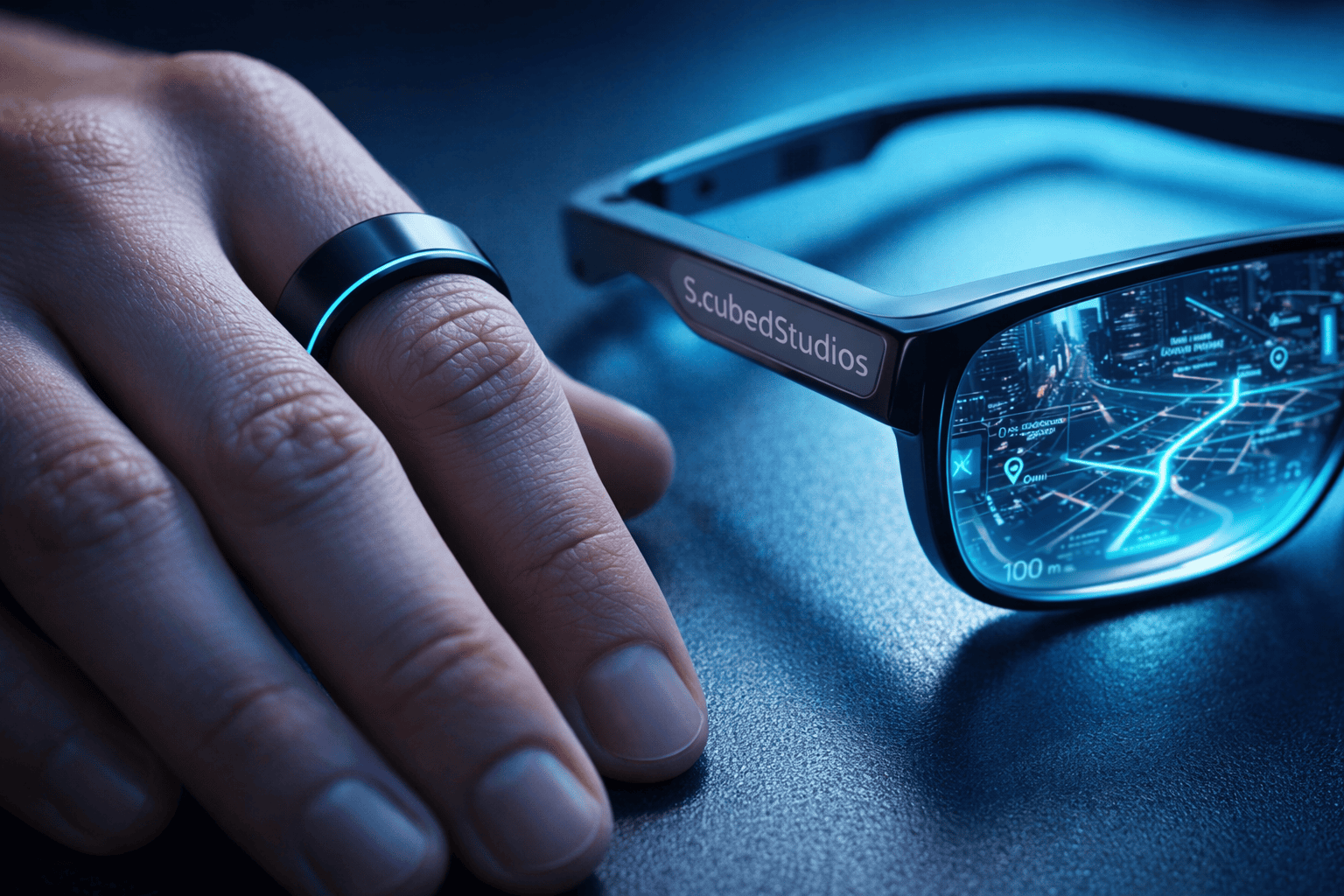
Future tech style close-up shot


Wearables: Moving Beyond the Wrist

While smartwatches remain popular, the wearable landscape in 2026 has expanded significantly. We are seeing a divergence into "invisible tech." Smart rings have become the standard for health tracking, offering unobtrusive monitoring of heart rate variability, oxygen saturation, and stress levels. But the real game-changer is smart eyewear.

The bulky AR headsets of the early 2020s have been refined into lightweight, stylish glasses that offer heads-up displays (HUD) for navigation, translation, and notifications. These devices leverage micro-LED technology to overlay digital information onto the physical world seamlessly. As we discuss consumer technology trends of 2026, we must acknowledge that the smartphone is beginning to lose its dominance as the primary screen.

Furthermore, we are witnessing the rise of smart textiles. Clothing embedded with conductive fibers allows for haptic feedback and health monitoring. Athletes, in particular, are benefiting from activewear that analyzes muscle tension and hydration levels in real-time, preventing injury and optimizing performance.

The Democratization of Personal AI Assistants

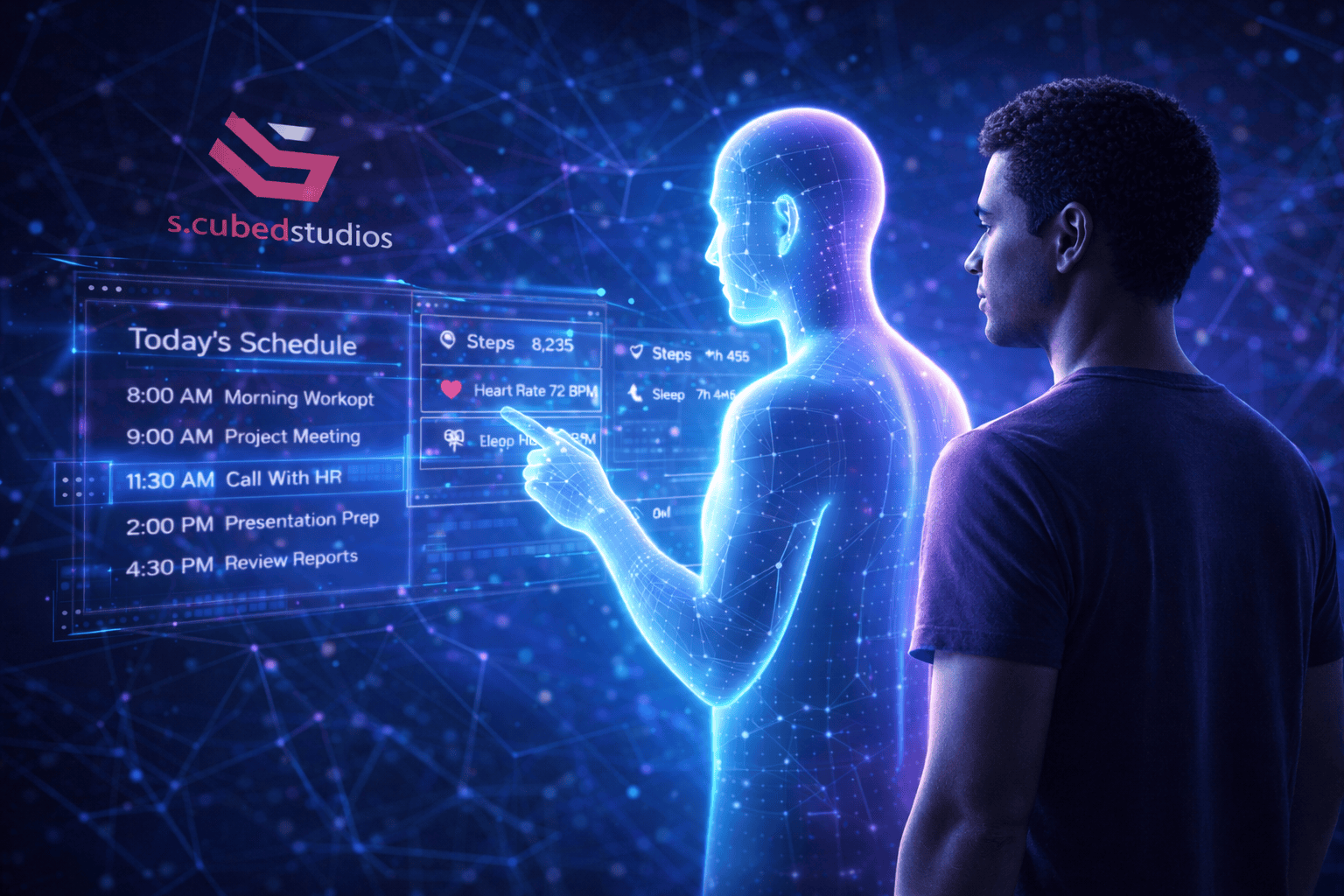
We cannot talk about the future without addressing Artificial Intelligence. In 2026, AI is personal. Every consumer has access to a personalized Large Language Model (LLM) that resides locally on their device, ensuring privacy and speed. This "Digital Twin" manages your life with a level of context that generic assistants never could.

These personal AIs handle the administrative drudgery of life. They negotiate bills, schedule appointments by coordinating with other people's AIs, and curate news based on your genuine interests rather than engagement-bait algorithms. This is one of the pivotal consumer technology trends of 2026: technology that gives you back your time. The focus has shifted from maximising engagement time to maximising utility and well-being.

Recycled tech meets nature's touch

Sustainable Tech as a Standard, Not a Feature

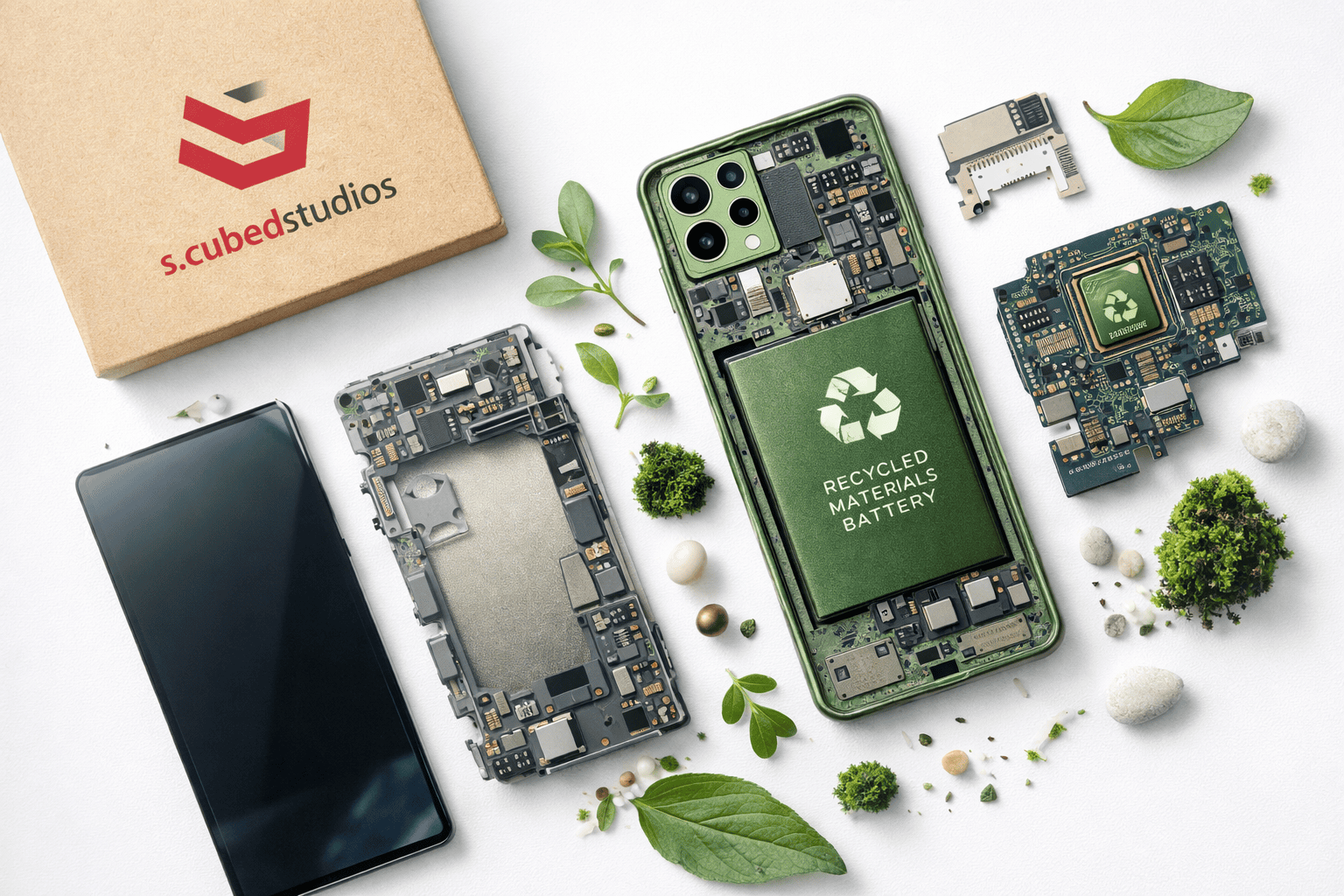
Sustainability has moved from a marketing buzzword to a core requirement. Consumers in 2026 are tech-savvy and eco-conscious. They demand longevity and repairability. The "Right to Repair" movement has won significant legislative victories globally, forcing manufacturers to design modular devices.

We are seeing smartphones and laptops built with 100% recycled materials and easily replaceable batteries. Moreover, energy harvesting technology is making its way into consumer gadgets. Remote controls powered by indoor light and wearables charged by body heat are becoming commonplace. This shift reduces electronic waste and aligns with the broader global mandate for carbon neutrality. When analysing consumer technology trends of 2026, the circular economy of electronics is a dominant theme.

Immersive Entertainment and Holographic Displays

Entertainment is breaking out of the 2D rectangle. While Virtual Reality (VR) serves the gaming niche, holographic displays are entering the living room. Utilising light field technology, these displays create 3D images visible without glasses, offering a shared viewing experience that VR headsets isolated.

Sports broadcasting, in particular, is being revolutionised. Imagine watching a football match where a miniature, real-time 3D projection of the game plays out on your coffee table, allowing you to view the action from any angle. This level of immersion is redefining how we consume content, making the passive act of watching TV an active, spatial experience.

Human and digital twin with data interface

Human and digital twin with data interface

Health Autonomy and Preventive Care

Perhaps the most vital consumer technology trend of 2026 is the democratisation of medical-grade diagnostics. The consumerization of healthcare means that our devices are now FDA-approved diagnostic tools.

Toilets equipped with sensors analyse waste to track nutrition and detect early signs of illness. Smartphones can perform basic blood analysis using non-invasive optical sensors. This data is fed into your personal health AI, which acts as a preventive care guardian, alerting you to potential issues before they become symptomatic. This shift from reactive to proactive healthcare is alleviating pressure on hospital systems and empowering individuals to take charge of their biology.

Navigating the Privacy Landscape

With all this connectivity comes the inevitable question of privacy. In 2026, data sovereignty is a major issue. Consumers are more aware of the value of their data. We are seeing the rise of "Data Vaults"—encrypted, decentralised storage solutions where users own their data and choose who to license it to, often for micropayments.

Tech companies are responding with "Privacy-First" hardware. The default setting is now local processing rather than cloud uploading. Trust has become a competitive advantage. If a company cannot prove that it respects user data, it cannot survive in the 2026 marketplace.

Conclusion

The consumer technology trends of 2026 represent a maturity of the digital age. We are moving past the novelty phase of gadgets and into an era of utility, seamlessness, and responsibility. Whether it is the intuitive smart home, the personal AI that guards your time, or the medical tech that guards your health, the future is focused on enhancing the human experience, not just distracting it. As we embrace these changes, we look forward to a world where technology works quietly in the background, empowering us to live better, healthier, and more connected lives.

The Rise of AI Agents: How Businesses Are Reinventing Customer Interaction in 2026

The Rise of AI Agents: How Businesses Are Reinventing Customer Interaction in 2026

The Rise of AI Agents: How Businesses are Reinventing Customer Interaction in 2026

In recent years, artificial intelligence (AI) has emerged as a groundbreaking force across various industries, fundamentally transforming how businesses engage with their customers. As we venture into 2026, the rise of AI agents is poised to reshape the landscape of customer interactions, offering unprecedented opportunities for efficiency, personalization, and innovation. With over 15 years in the field of customer experience and technology integration, I will explore the evolution of AI agents, their impact on customer service, and the future prospects that businesses must navigate.


Understanding AI Agents

AI agents, often referred to as chatbots or virtual assistants, have evolved dramatically from simple scripted responses to sophisticated systems capable of natural language processing, sentiment analysis, and contextual understanding. These agents leverage machine learning algorithms to learn from customer interactions continually, allowing them to adapt and improve over time. By 2026, AI agents are expected to handle a significant portion of customer queries, enabling businesses to streamline their operations while enhancing customer satisfaction.

3D conceptual customer journey with AI personalization, African humans Regenerate Good response Bad response

Enhancing Customer Experience through Personalization

One of the most significant benefits of AI agents is their ability to provide personalized experiences. In 2026, businesses will harness the power of AI to analyze customer data and preferences, enabling agents to tailor interactions based on individual needs. For instance, e-commerce platforms will utilize AI agents to recommend products based on previous purchases, browsing history, and even social media behavior.

Moreover, the integration of sentiment analysis will allow AI agents to gauge a customer's emotional state during interactions. By identifying whether a customer is frustrated, satisfied, or confused, businesses can proactively address issues and create a more positive experience. This level of personalization not only fosters customer loyalty but also drives repeat business, ultimately contributing to higher revenue.


Automating Routine Tasks and Streamlining Operations

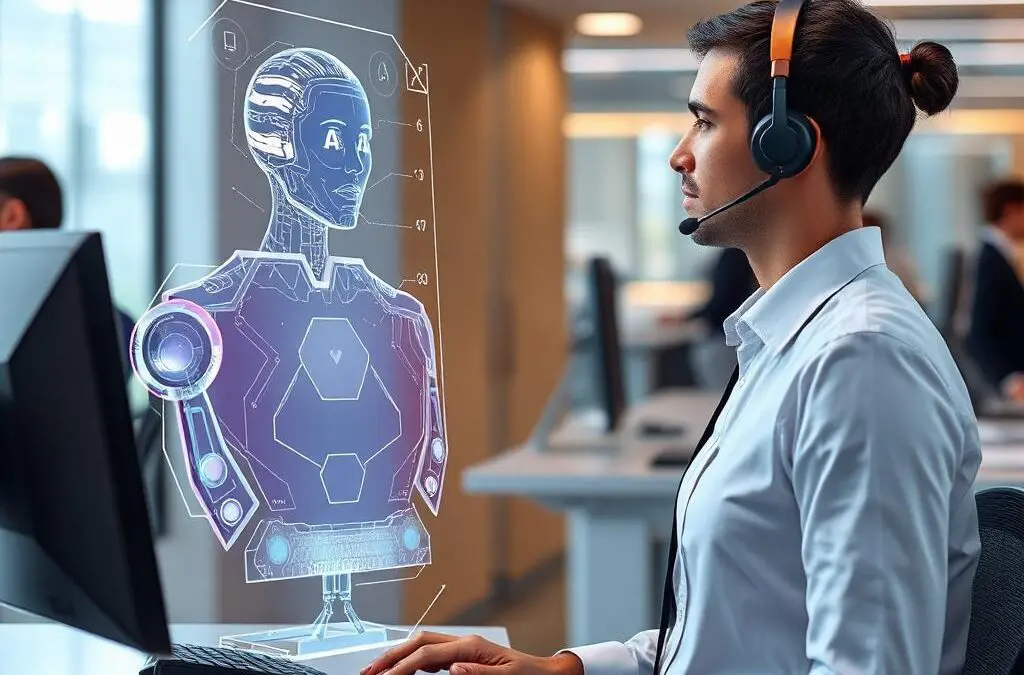
As AI agents become increasingly proficient, they will play a pivotal role in automating routine tasks that often burden human customer service representatives. By 2026, businesses can expect AI agents to handle frequently asked questions, appointment scheduling, and basic troubleshooting, freeing up human agents to focus on more complex queries that require emotional intelligence or nuanced understanding.

This automation will lead to reduced wait times for customers, which is a critical component of enhancing customer satisfaction. In an era where consumers value prompt and efficient service, AI agents will prove essential in meeting these expectations. Furthermore, the cost savings associated with reducing the need for extensive customer service teams mean that businesses can allocate resources to areas that drive growth and innovation.

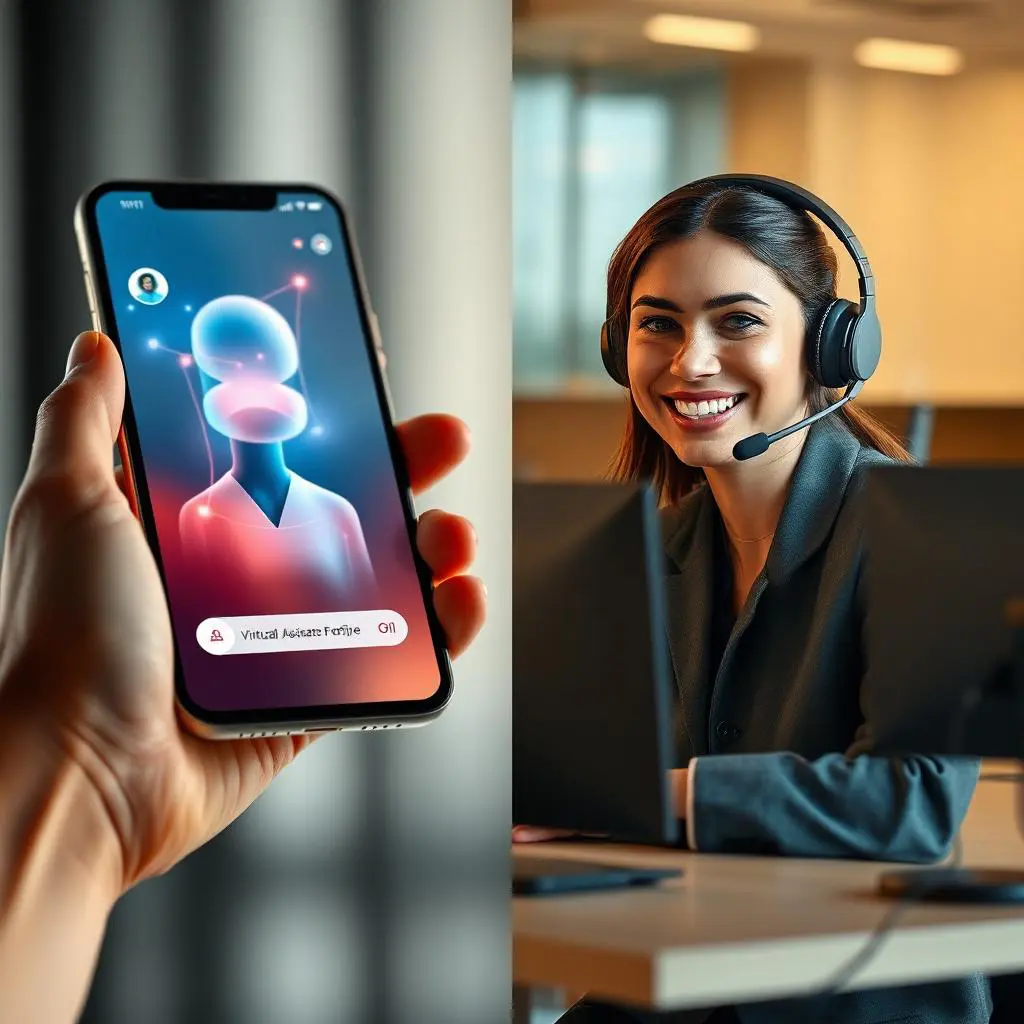
Split-screen phone avatar and human customer service agent

Case Studies: Leading the Way

Several companies are already leading the charge in the adoption of AI agents, setting a precedent for others to follow. For example, major players in the retail sector have successfully integrated AI-powered chatbots into their customer service strategies. These chatbots have been trained on vast datasets, enabling them to provide accurate and relevant information while also learning from new interactions.

Tech giants are also leveraging AI agents to enhance customer interactions. Companies like Apple, Amazon, and Google have developed virtual assistants that not only answer queries but also integrate seamlessly with other products and services. By 2026, we can expect even more sophisticated AI agents from these companies, capable of carrying out complex tasks such as making travel arrangements or managing daily schedules on behalf of users.


Challenges and Considerations

Despite the numerous advantages of AI agents, businesses must also be mindful of the challenges that come with their implementation. Concerns regarding data privacy and security remain paramount, especially as AI agents collect and analyze vast amounts of personal information. Companies will need to prioritize transparent data practices and comply with relevant regulations to build and maintain customer trust.

Additionally, while AI agents can automate routine tasks, they cannot fully replace the human touch in customer service. Businesses must strike a balance between automation and personalization, ensuring that customers have access to human representatives when facing complex issues or emotional situations. The ideal approach is to use AI agents as a complement to human agents, creating a hybrid model that maximizes efficiency while maintaining empathy in customer interactions.

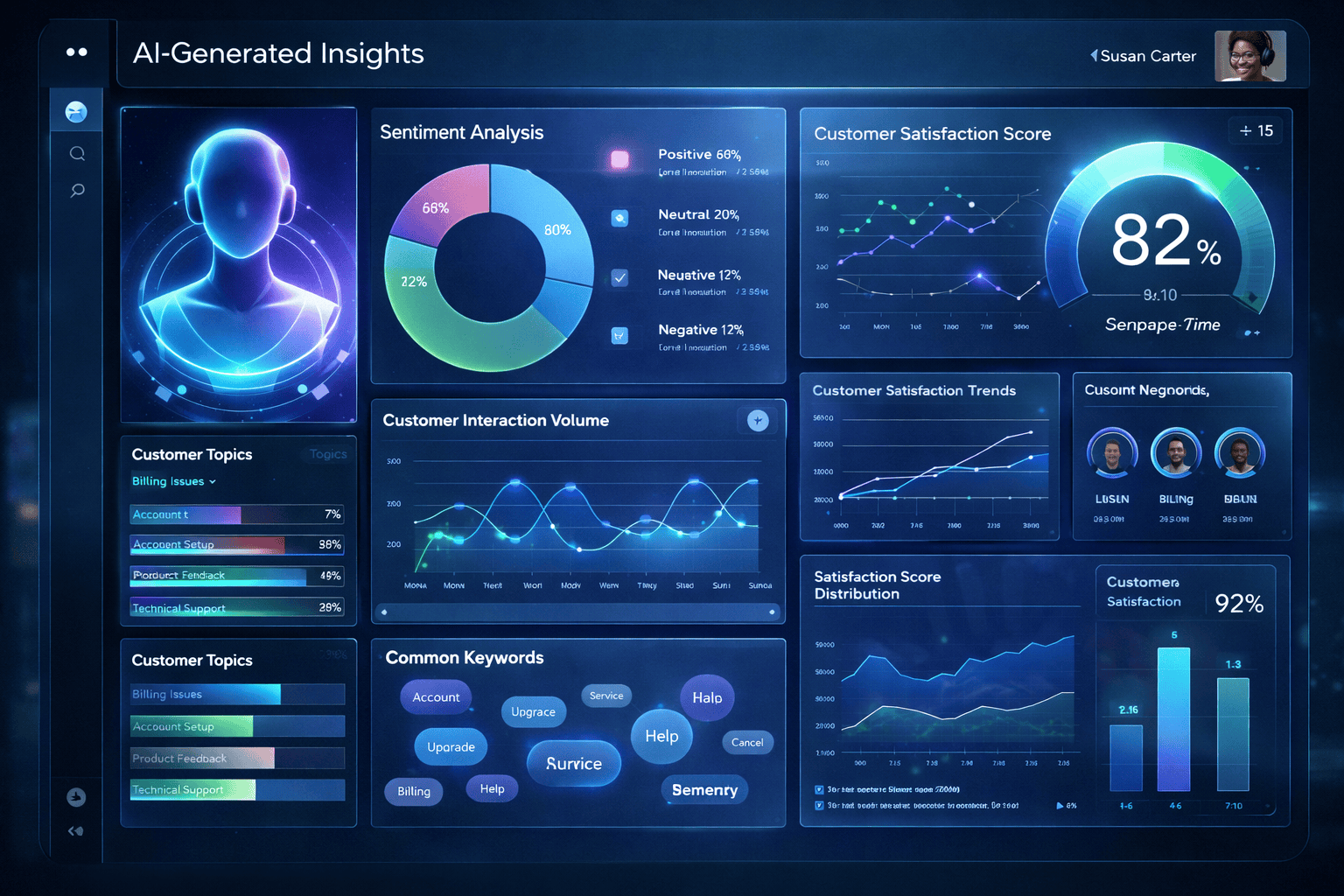
A digital dashboard filled with analytics and insights generated by AI,

The Future Landscape of Customer Interaction

As we look ahead to 2026 and beyond, the future of customer interaction will be defined by the continued evolution of AI agents. Businesses will increasingly rely on these agents to drive efficiency, enhance personalization, and provide proactive support. Furthermore, advancements in natural language processing and machine learning will enable AI agents to engage in more human-like conversations, fostering deeper connections with customers.

To remain competitive in this rapidly changing landscape, businesses must be proactive in adopting AI technologies and adapting their customer service strategies. By embracing AI agents, companies can not only streamline their operations but also provide exceptional experiences that resonate with customers.

Pin It on Pinterest