insert_pixel_code_here(Facebook Pixel code)
The Future of E‑commerce: Innovations Set to Transform Online Shopping in 2026

The Future of E‑commerce: Innovations Set to Transform Online Shopping in 2026

The Future of E‑commerce: Innovations Set to Transform Online Shopping in 2026

E‑commerce has grown from a convenience to an infrastructure layer of everyday life. Between 2020 and 2024, we saw pandemic-driven acceleration, rapid adoption of buy-now-pay-later, and the rise of social commerce. By 2026, the future of e‑commerce is defined not just by more transactions, but by smarter, more seamless, and more human shopping experiences.

Drawing on 15+ years in digital commerce and product strategy, here’s how online shopping is transforming and what businesses should be preparing for.

Unified Commerce: The End of “Online vs Offline”

The old distinction between e‑commerce and physical retail has effectively collapsed. We’ve moved firmly into unified commerce:

  • Single customer profiles across web, app, store, and marketplace.
  • Inventory and pricing synced in real time.
  • Journeys that start on one channel and end on another without friction.

By 2026, standard experiences include:

  • Browse on mobile → try in AR → reserve in nearest store → pay via app → pick up via contactless locker.
  • In-store associates accessing your online profile (with consent) to recommend complementary products.
  • Returns initiated online but dropped at partner locations, with immediate refunds based on scanning and AI-driven fraud checks.

Immersive Product Discovery: AR, 3D, and Virtual Try‑On

Immersive visualisation moved from novelty to expectation:

  • AR try-on for eyewear, makeup, shoes, apparel, and even jewellery.
  • AR-in-home visualisation for furniture, décor, consumer electronics, and home improvement.
  • 3D product viewers as the default on product detail pages for higher-priced or complex items.

By 2026, leading brands:

  • Use WebAR that works directly in the browser; app-only AR is a barrier.
  • Integrate AR into search and recommendation flows (“View in my room” as a primary CTA).
  • Track uplift from AR usage in terms of conversion rates and reduced return rates—often double-digit improvements for furniture and fashion.
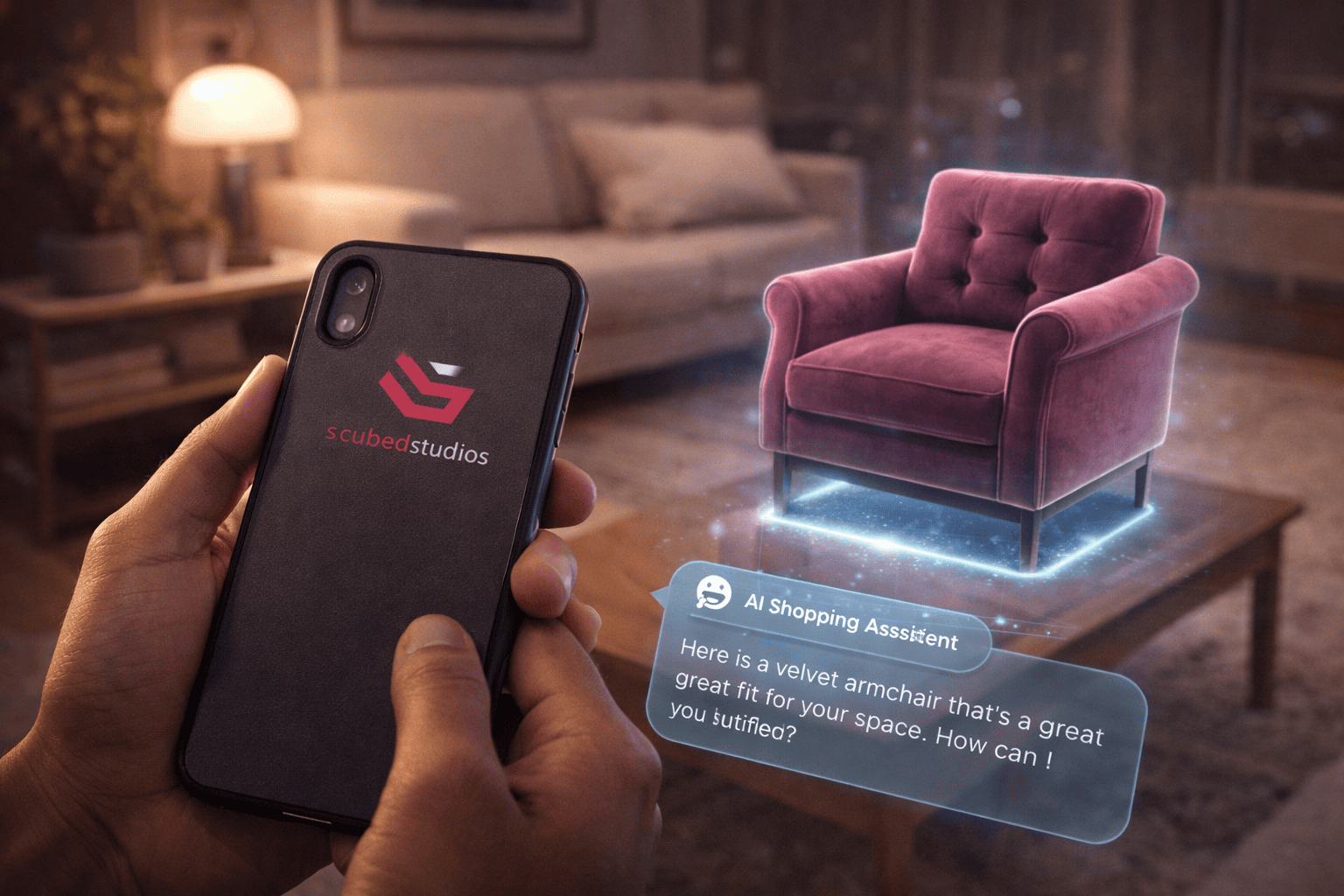
Holographic armchair preview in living room

Holographic armchair preview in the living room

AI-Powered Personalisation and Merchandising

AI has moved from basic “customers also bought” to full-funnel orchestration:

  • Dynamic merchandising: Homepage, category pages, and search results rearranged in real time based on user intent, seasonality, and inventory.
  • Micro-segmented offers: Pricing, bundling, and recommendations tuned to predicted lifetime value and churn risk.
  • Conversational commerce: On-site AI shopping assistants can interpret natural language queries (“I need a business-casual outfit for a summer event under $200”) and assemble shoppable looks.

By 2026, the future of e‑commerce assumes:

  • AI is a co‑pilot for shoppers, not just a recommendation engine.
  • Merchandisers work with AI-generated insights but retain oversight for brand, margin, and ethics.
  • Regulatory and brand trust constraints keep “hyper-personalisation” from going too far—transparent controls and privacy‑first data practices are essential.

 

Futuristic drone landing at sunset

Futuristic drone landing at sunset

Faster, Greener, Smarter Fulfilment

Logistics remains a critical differentiator:

  • Same‑day and next‑day delivery is standard in urban areas; 2–3 day shipping is the baseline expectation elsewhere.
  • Micro-fulfilment centres within cities shorten last-mile distances, reducing emissions and improving reliability.
  • Green delivery options (bike couriers, EV fleets, consolidated shipments) are increasingly offered—and often chosen—especially when clearly labelled with CO₂ savings.

By 2026:

  • Many checkouts display the carbon impact of delivery options, nudging customers toward greener choices.
  • Smart routing systems optimise for cost, speed, and sustainability simultaneously.
  • Packaging becomes a bigger brand touchpoint: minimal, recyclable, or reusable materials, with a design that reinforces brand values.

Social Commerce and Creator-Led E‑commerce

Social platforms have become full-scale shopping ecosystems:

  • Shoppable short videos and livestreams drive impulse buys and product discovery.
  • Creators host live demos, fit checks, and Q&A sessions with direct purchase links.
  • Affiliate and revenue-share models are more transparent and standardised.

The future of e‑commerce in 2026 is heavily creator‑mediated:

  • Trusted creators function as curators for overwhelmed consumers.
  • Smaller, niche brands gain traction through micro-influencers who have deep audience trust.
  • Brands invest in long-term creator partnerships instead of one-off sponsored posts.

Subscription Models and “Everything-as-a-Service”

Subscriptions continue to evolve:

  • Replenishment subscriptions (coffee, supplements, pet supplies) are refined with smarter cadence prediction to avoid overstock and churn.
  • Access-based subscriptions (members-only pricing, early drops, special collections) replace traditional loyalty schemes for many brands.
  • “Everything-as-a-service” spreads: hardware + services bundles (appliances with maintenance plans, fitness equipment with content, EVs with subscription-based features).

Key success factor:

  • Flexibility. Easy pausing, skipping, and cancelling are critical. Clunky subscription flows are now a serious brand risk.
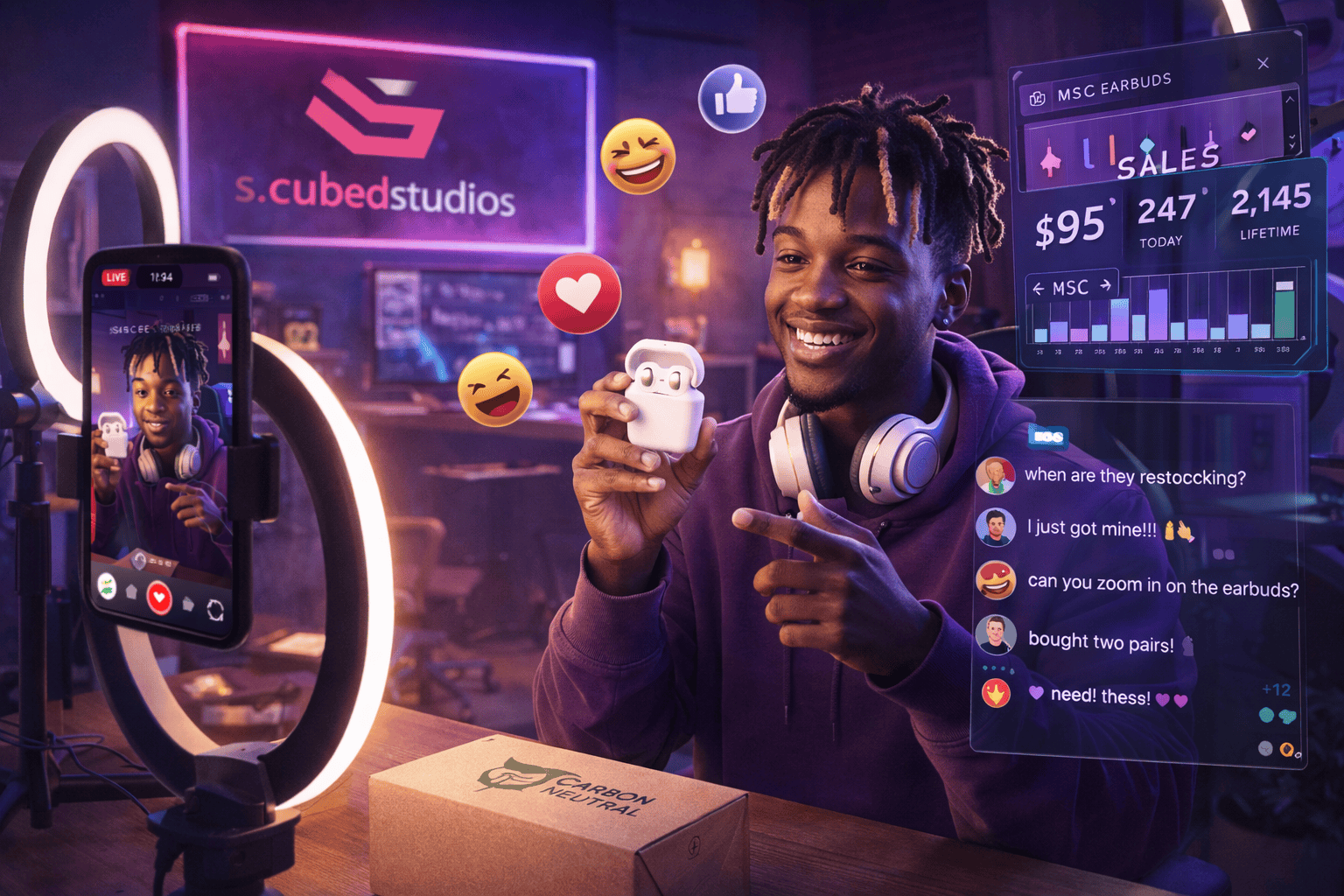
Live stream showcase of wireless earbuds

Live stream showcase of wireless earbuds

Trust, Reviews, and Authenticity

Trust is the true currency of the future of e‑commerce:

  • Verified reviews (purchase-verified, AI-checked for authenticity) gain prominence; fake or incentivised reviews are increasingly filtered or flagged.
  • UGC (user-generated content)—photos, videos, and long-form reviews—is essential for conversion, especially in fashion and beauty.
  • Transparent sourcing, ethical manufacturing, and clear policies on returns and warranties are front and centre.

Consumers by 2026:

  • Are more skeptical of polished ads and more responsive to real-world usage content.
  • Expect retailers to handle disputes fairly and visibly.
  • Use social media sentiment as an informal “rating” of brands.

Regulatory and Data Privacy Landscape

Global regulatory frameworks have tightened:

  • Consent for tracking and profiling is explicit and granular.
  • Data portability and deletion are standard features in account dashboards.
  • Dark patterns around subscriptions, privacy, and cancellations face legal scrutiny and fines.

Winning brands:

  • Treat privacy as a value proposition, not just compliance.
  • Invest in first-party data: building direct relationships via memberships, communities, and value-added content.

Conclusion

The future of e‑commerce in 2026 is not about more pop-ups or more channels; it’s about better experiences:

  • Unified, consistent journeys across online and offline.
  • Rich, immersive product understanding before purchase.
  • Faster, greener logistics backed by transparent data.
  • Authentic relationships mediated by creators and communities.

Brands that centre trust, utility, and human-centric design—while embracing AI, AR, and unified commerce—will define the next era of online retail.


Consumer Technology Trends of 2026: What to Expect in Our Daily Lives

Consumer Technology Trends of 2026: What to Expect in Our Daily Lives

Consumer Technology Trends of 2026: What to Expect in Our Daily Lives

The pace of technological evolution is nothing short of breathtaking. Having spent the last 15 years analyzing tech markets and consumer behavior, I’ve seen trends come and go, but the shift we are witnessing as we approach 2026 is fundamentally different. It is no longer just about faster processors or sleeker screens; it is about integration, intuition, and the seamless blending of the digital and physical worlds.

In 2026, technology is not just something we use; it is the fabric of our daily existence. From the moment we wake up to the moment we wind down, the consumer technology trends of 2026 are designed to anticipate our needs, enhance our productivity, and redefine how we interact with our environment. In this article, I will guide you through the most impactful advancements poised to shape our daily lives, offering a glimpse into a future that is smarter, more sustainable, and deeply interconnected.

The Smart Home Becomes the Intuitive Home

For years, the "smart home" promised a revolution that often amounted to little more than voice-activated lights and remote-controlled thermostats. However, one of the most significant consumer technology trends of 2026 is the transition from "smart" to "intuitive."

By 2026, our homes will no longer wait for commands; they will anticipate them. Powered by advanced ambient intelligence and local processing (Edge AI), your home environment will learn your biometrics and behavioural patterns. Imagine waking up, and your home ecosystem automatically adjusts the lighting temperature to mimic the sunrise, brews your coffee to your specific preference based on your sleep quality data from the night before, and displays your day's schedule on a smart mirror.

This isn't sci-fi; it's the maturity of the Internet of Things (IoT). We are seeing the widespread adoption of Matter 2.0 protocols, ensuring that devices from Apple, Google, Amazon, and niche manufacturers communicate flawlessly. The friction of the early 2020s smart home is gone, replaced by a predictive environment that manages energy consumption, security, and comfort without you lifting a finger.

Future tech style close-up shot


Wearables: Moving Beyond the Wrist

While smartwatches remain popular, the wearable landscape in 2026 has expanded significantly. We are seeing a divergence into "invisible tech." Smart rings have become the standard for health tracking, offering unobtrusive monitoring of heart rate variability, oxygen saturation, and stress levels. But the real game-changer is smart eyewear.

The bulky AR headsets of the early 2020s have been refined into lightweight, stylish glasses that offer heads-up displays (HUD) for navigation, translation, and notifications. These devices leverage micro-LED technology to overlay digital information onto the physical world seamlessly. As we discuss consumer technology trends of 2026, we must acknowledge that the smartphone is beginning to lose its dominance as the primary screen.

Furthermore, we are witnessing the rise of smart textiles. Clothing embedded with conductive fibers allows for haptic feedback and health monitoring. Athletes, in particular, are benefiting from activewear that analyzes muscle tension and hydration levels in real-time, preventing injury and optimizing performance.

The Democratization of Personal AI Assistants

We cannot talk about the future without addressing Artificial Intelligence. In 2026, AI is personal. Every consumer has access to a personalized Large Language Model (LLM) that resides locally on their device, ensuring privacy and speed. This "Digital Twin" manages your life with a level of context that generic assistants never could.

These personal AIs handle the administrative drudgery of life. They negotiate bills, schedule appointments by coordinating with other people's AIs, and curate news based on your genuine interests rather than engagement-bait algorithms. This is one of the pivotal consumer technology trends of 2026: technology that gives you back your time. The focus has shifted from maximising engagement time to maximising utility and well-being.

Recycled tech meets nature's touch

Sustainable Tech as a Standard, Not a Feature

Sustainability has moved from a marketing buzzword to a core requirement. Consumers in 2026 are tech-savvy and eco-conscious. They demand longevity and repairability. The "Right to Repair" movement has won significant legislative victories globally, forcing manufacturers to design modular devices.

We are seeing smartphones and laptops built with 100% recycled materials and easily replaceable batteries. Moreover, energy harvesting technology is making its way into consumer gadgets. Remote controls powered by indoor light and wearables charged by body heat are becoming commonplace. This shift reduces electronic waste and aligns with the broader global mandate for carbon neutrality. When analysing consumer technology trends of 2026, the circular economy of electronics is a dominant theme.

Immersive Entertainment and Holographic Displays

Entertainment is breaking out of the 2D rectangle. While Virtual Reality (VR) serves the gaming niche, holographic displays are entering the living room. Utilising light field technology, these displays create 3D images visible without glasses, offering a shared viewing experience that VR headsets isolated.

Sports broadcasting, in particular, is being revolutionised. Imagine watching a football match where a miniature, real-time 3D projection of the game plays out on your coffee table, allowing you to view the action from any angle. This level of immersion is redefining how we consume content, making the passive act of watching TV an active, spatial experience.

Human and digital twin with data interface

Human and digital twin with data interface

Health Autonomy and Preventive Care

Perhaps the most vital consumer technology trend of 2026 is the democratisation of medical-grade diagnostics. The consumerization of healthcare means that our devices are now FDA-approved diagnostic tools.

Toilets equipped with sensors analyse waste to track nutrition and detect early signs of illness. Smartphones can perform basic blood analysis using non-invasive optical sensors. This data is fed into your personal health AI, which acts as a preventive care guardian, alerting you to potential issues before they become symptomatic. This shift from reactive to proactive healthcare is alleviating pressure on hospital systems and empowering individuals to take charge of their biology.

Navigating the Privacy Landscape

With all this connectivity comes the inevitable question of privacy. In 2026, data sovereignty is a major issue. Consumers are more aware of the value of their data. We are seeing the rise of "Data Vaults"—encrypted, decentralised storage solutions where users own their data and choose who to license it to, often for micropayments.

Tech companies are responding with "Privacy-First" hardware. The default setting is now local processing rather than cloud uploading. Trust has become a competitive advantage. If a company cannot prove that it respects user data, it cannot survive in the 2026 marketplace.

Conclusion

The consumer technology trends of 2026 represent a maturity of the digital age. We are moving past the novelty phase of gadgets and into an era of utility, seamlessness, and responsibility. Whether it is the intuitive smart home, the personal AI that guards your time, or the medical tech that guards your health, the future is focused on enhancing the human experience, not just distracting it. As we embrace these changes, we look forward to a world where technology works quietly in the background, empowering us to live better, healthier, and more connected lives.

Social Media Sentiment: The New Currency of Brand Loyalty in 2026

Social Media Sentiment: The New Currency of Brand Loyalty in 2026

Social Media Sentiment: The New Currency of Brand Loyalty in 2026

In the vast and often volatile ocean of digital marketing, one metric has risen above the rest to become the gold standard of brand health: sentiment. Having worked in digital strategy and brand reputation management for over 15 years, I have watched the evolution of metrics from simple "likes" and "views" to complex engagement rates. However, as we settle into 2026, those vanity metrics are obsolete. Today, social media sentiment is the undisputed currency of brand loyalty.

It is no longer enough for a brand to be seen; it must be understood, trusted, and championed. In 2026, the algorithms that govern our feeds have become hyper-sensitive to the emotional quality of interactions, not just the quantity. This article delves into why sentiment analysis has become the cornerstone of successful marketing strategies and how brands are leveraging this new currency to build unshakeable loyalty.

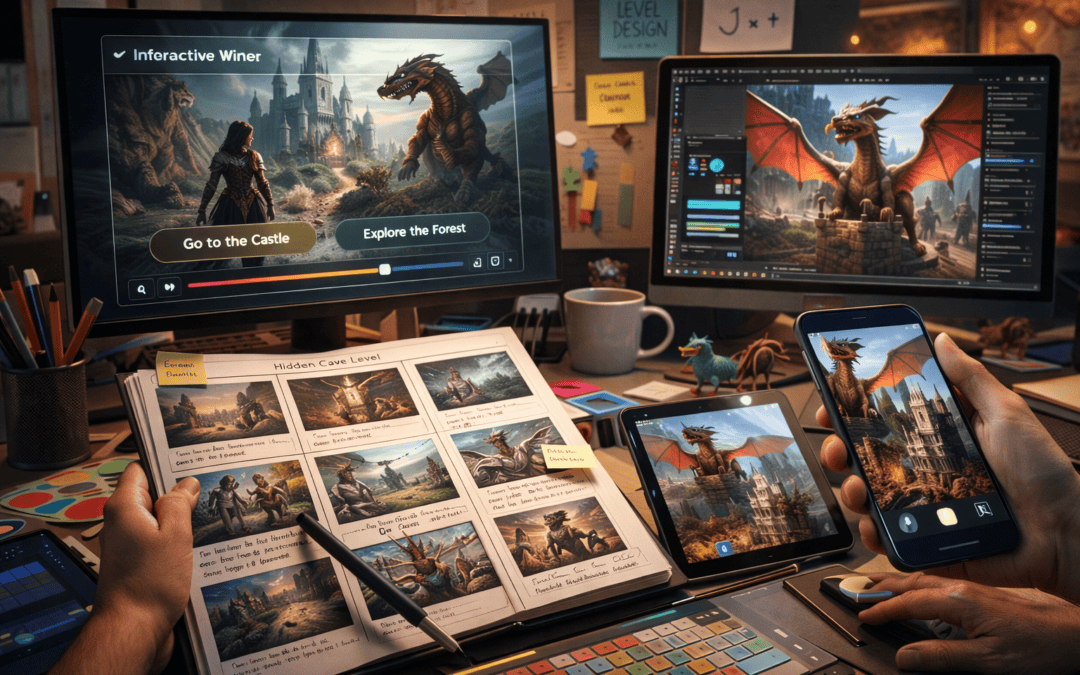
A vibrant community gathering where content creators are collaborating and brainstorming, illustrating the importance of community-driven content and user-generated ideas.


The Death of Vanity Metrics

For a decade, marketing departments chased viral moments. They wanted the million views, regardless of the context. But as we reached 2026, the cracks in that strategy became undeniable. A video with a million views but a comment section full of mockery or frustration does more damage to a brand than a video with ten thousand views and a community of raving fans.

Social media sentiment measures the emotion behind the engagement. It distinguishes between a sarcastic share and a genuine endorsement. In 2026, sophisticated AI-driven Natural Language Processing (NLP) tools can detect nuance, irony, and cultural context with near-human accuracy. Brands that focus on net-positive sentiment are finding that their customer retention rates skyrocket, while those chasing empty virality are seeing their market share erode.

Sentiment as a Predictive Tool

The true power of social media sentiment lies in its predictive capabilities. In 2026, sentiment is not just a report card on past performance; it is a crystal ball for future revenue. By analyzing subtle shifts in the emotional tone of conversations surrounding a brand, companies can predict churn before it happens.

For instance, if sentiment analysis detects a rising trend of "disappointment" or "confusion" regarding a new product feature—even before formal complaints are filed—a brand can intervene proactively. They can release a patch, issue a tutorial, or offer an apology, nipping a potential PR crisis in the bud. This agility is what separates market leaders from the rest. They treat sentiment as real-time market research, constantly iterating their products and messaging based on the emotional pulse of their audience.

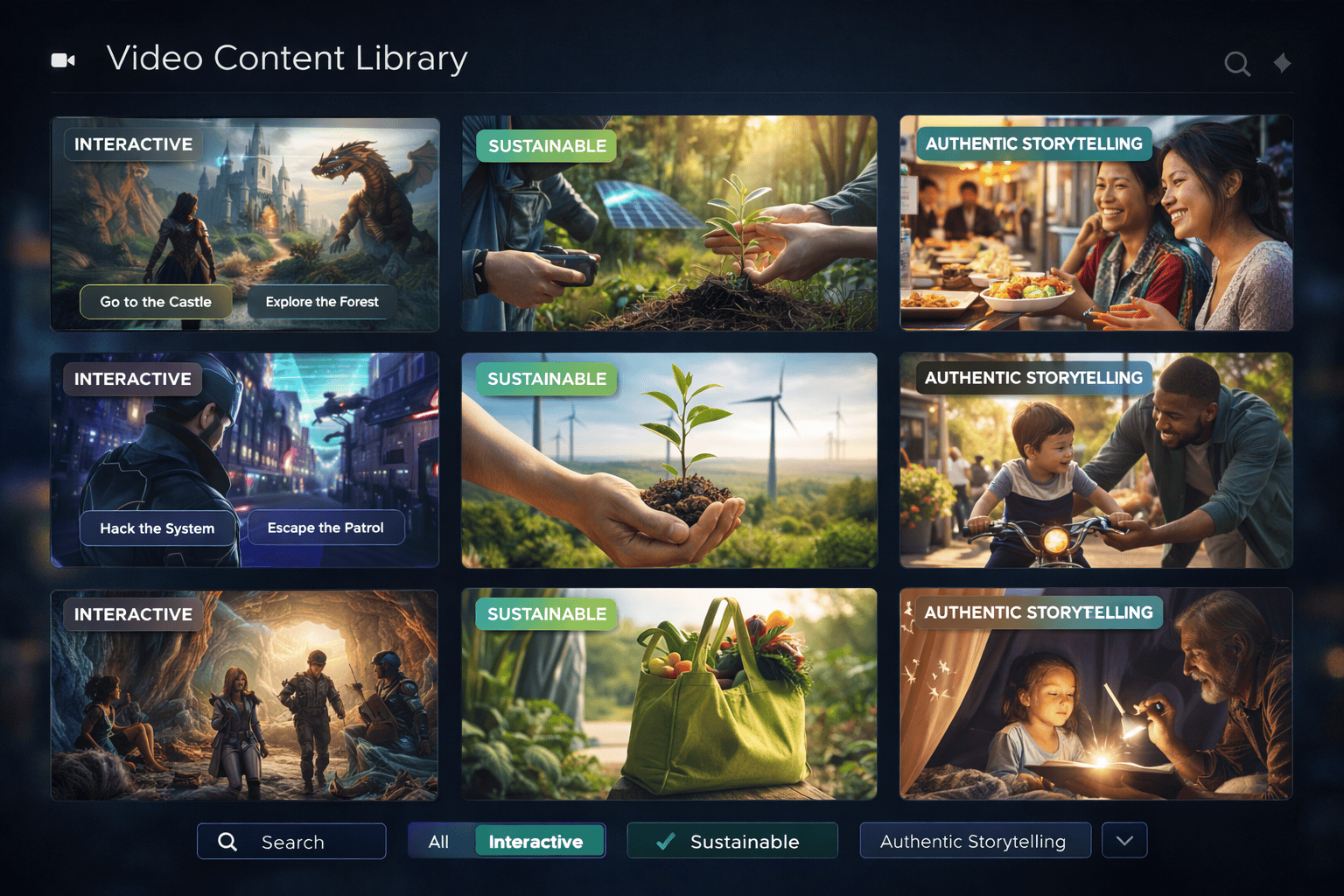
 A visually appealing representation of a video content library, displaying various videos with tags for different trends—interactive, sustainable, and authentic storytelling.


The Era of "Vibe-Based" Algorithms

Social media platforms themselves have pivoted. The algorithms of TikTok, Instagram, and the emerging decentralized platforms of 2026 now prioritize content that generates "constructive engagement." They suppress rage-bait and amplify community building.

This means that for a brand to achieve organic reach, it must generate positive social media sentiment. Content that sparks joy, inspiration, or helpful discussion gets rewarded with visibility. Brands are now acting less like broadcasters and more like community hosts. They are cultivating spaces where sentiment is naturally positive because the interactions are meaningful. The brands winning in 2026 are the ones that make their customers feel good, quite literally hacking the algorithm with positivity.

Authenticity: The Driver of Positive Sentiment

So, how do brands cultivate this valuable currency? The answer, unequivocally, is radical authenticity. The consumer of 2026 is equipped with sophisticated BS-detectors. They have grown up in an era of deepfakes and AI-generated influencers. Consequently, they crave humanity.

We are seeing a trend where C-suite executives are stepping out from behind the corporate veil to engage directly on social platforms. When a CEO responds with empathy to a customer issue, or when a brand admits a mistake openly without corporate jargon, social media sentiment spikes. Vulnerability is a strength. Brands that try to curate a perfect, polished image are viewed with suspicion, whereas brands that show their rough edges and humanity are rewarded with loyalty.

The Role of Employee Advocacy

Another major driver of sentiment in 2026 is employee advocacy. Consumers trust employees more than they trust marketing departments. When employees share their genuine, positive experiences of working for a company, it creates a "halo effect" around the brand.

Smart companies are empowering their workforce to be creators. They are providing training and guidelines, then stepping back to let their people tell the story. When the internal culture is healthy, the external social media sentiment reflects that. It turns the brand from a faceless entity into a collective of real people, making it much harder for consumers to switch to a competitor solely based on price.

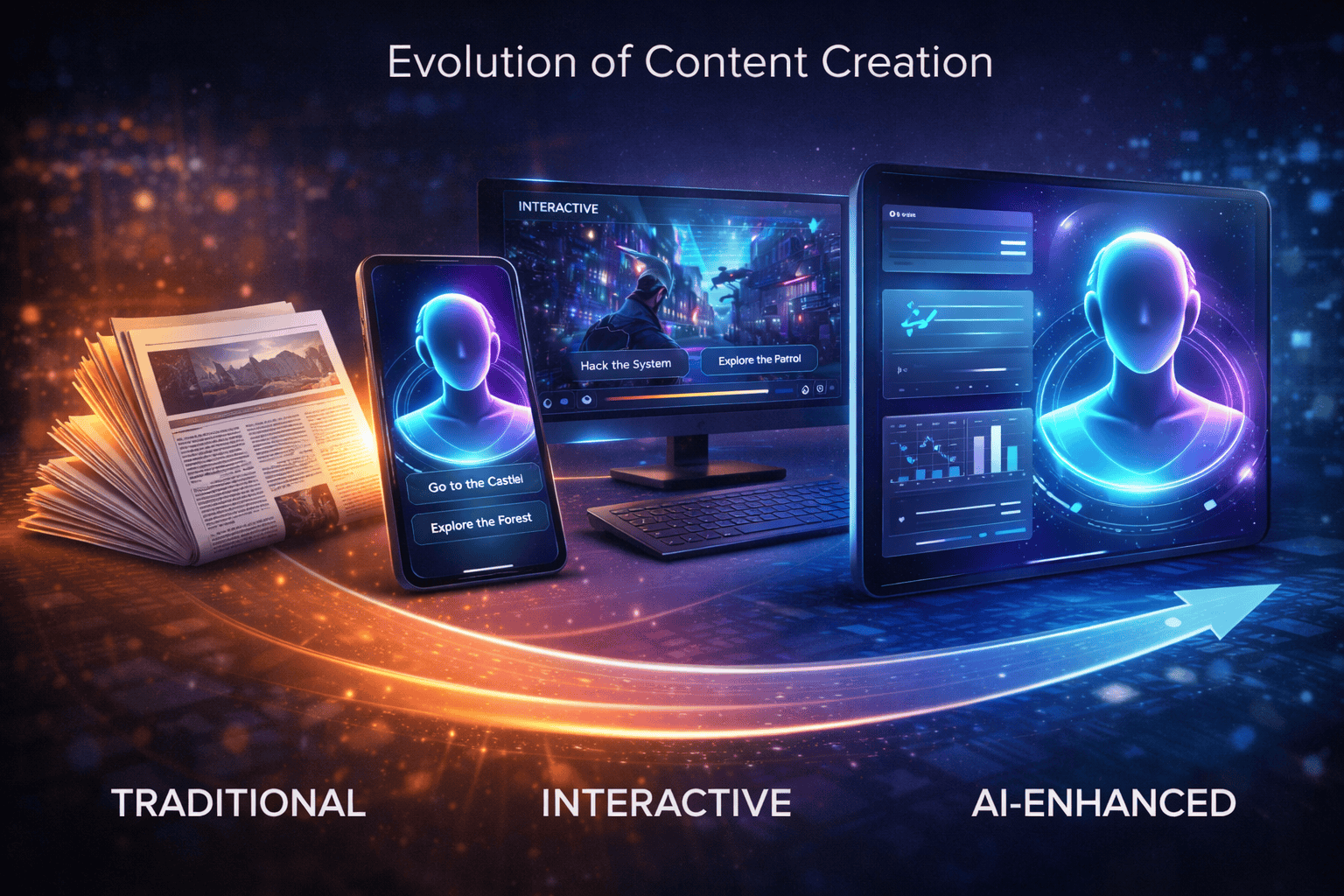
A graphic representation of the evolution of content creation, featuring traditional content formats transitioning into interactive and AI-enhanced formats, symbolizing the future landscape of content strategies.


Navigating Negative Sentiment

Of course, no brand is immune to negativity. However, the approach to handling negative social media sentiment has matured. In the past, the strategy was often to delete, ignore, or issue a sterile press release. In 2026, the strategy is "The Aikido Approach"—using the energy of the attack to pivot to a positive outcome.

Brands are using negative sentiment as an opportunity to demonstrate superior customer service publicly. A complaint is viewed as a stage. By resolving the issue with speed, empathy, and generosity in the public eye, brands can convert a detractor into a promoter. The audience watching the exchange sees a brand that cares, often resulting in a net increase in positive sentiment despite the initial complaint.

Financial Implications: Sentiment and Stock Price

Perhaps the most compelling evidence of this shift is the correlation between sentiment and valuation. Investment firms and hedge funds in 2026 are scraping social data to factor social media sentiment into their trading algorithms. A sustained dip in sentiment is now a leading indicator of a drop in quarterly earnings.

CMOs are now presenting sentiment analysis data in boardroom meetings alongside traditional financial KPIs. They are demonstrating that investing in brand love—through better customer service, ethical sourcing, and community engagement—is not just a "soft" cost but a hard investment in the company's financial future.

Conclusion

As we look forward, it is clear that the transactional nature of the internet is being replaced by a relational one. Social media sentiment is the metric that captures the health of those relations. In 2026, brand loyalty cannot be bought with ad spend; it must be earned through emotional intelligence, consistency, and genuine care. For brands willing to listen to the heartbeat of their audience, the rewards are loyalty, longevity, and a level of advocacy that money simply cannot buy.

The Rise of AI Agents: How Businesses Are Reinventing Customer Interaction in 2026

The Rise of AI Agents: How Businesses Are Reinventing Customer Interaction in 2026

The Rise of AI Agents: How Businesses are Reinventing Customer Interaction in 2026

In recent years, artificial intelligence (AI) has emerged as a groundbreaking force across various industries, fundamentally transforming how businesses engage with their customers. As we venture into 2026, the rise of AI agents is poised to reshape the landscape of customer interactions, offering unprecedented opportunities for efficiency, personalization, and innovation. With over 15 years in the field of customer experience and technology integration, I will explore the evolution of AI agents, their impact on customer service, and the future prospects that businesses must navigate.


Understanding AI Agents

AI agents, often referred to as chatbots or virtual assistants, have evolved dramatically from simple scripted responses to sophisticated systems capable of natural language processing, sentiment analysis, and contextual understanding. These agents leverage machine learning algorithms to learn from customer interactions continually, allowing them to adapt and improve over time. By 2026, AI agents are expected to handle a significant portion of customer queries, enabling businesses to streamline their operations while enhancing customer satisfaction.

3D conceptual customer journey with AI personalization, African humans Regenerate Good response Bad response

Enhancing Customer Experience through Personalization

One of the most significant benefits of AI agents is their ability to provide personalized experiences. In 2026, businesses will harness the power of AI to analyze customer data and preferences, enabling agents to tailor interactions based on individual needs. For instance, e-commerce platforms will utilize AI agents to recommend products based on previous purchases, browsing history, and even social media behavior.

Moreover, the integration of sentiment analysis will allow AI agents to gauge a customer's emotional state during interactions. By identifying whether a customer is frustrated, satisfied, or confused, businesses can proactively address issues and create a more positive experience. This level of personalization not only fosters customer loyalty but also drives repeat business, ultimately contributing to higher revenue.


Automating Routine Tasks and Streamlining Operations

As AI agents become increasingly proficient, they will play a pivotal role in automating routine tasks that often burden human customer service representatives. By 2026, businesses can expect AI agents to handle frequently asked questions, appointment scheduling, and basic troubleshooting, freeing up human agents to focus on more complex queries that require emotional intelligence or nuanced understanding.

This automation will lead to reduced wait times for customers, which is a critical component of enhancing customer satisfaction. In an era where consumers value prompt and efficient service, AI agents will prove essential in meeting these expectations. Furthermore, the cost savings associated with reducing the need for extensive customer service teams mean that businesses can allocate resources to areas that drive growth and innovation.

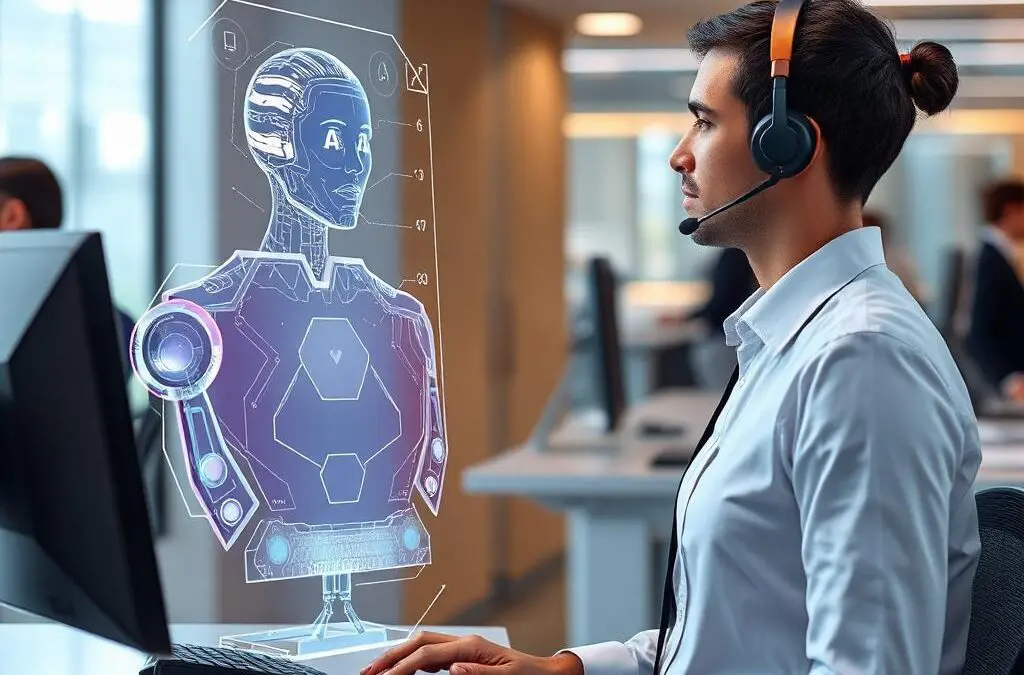
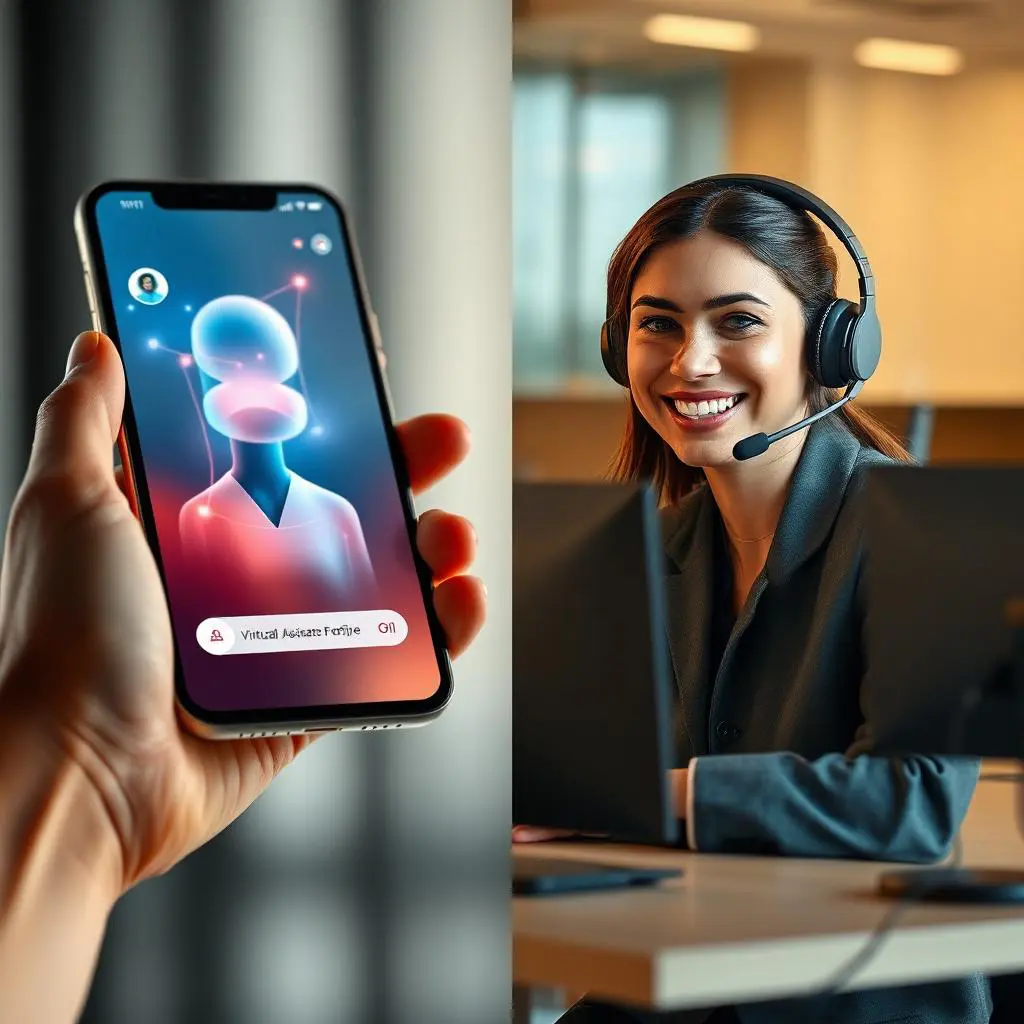
Split-screen phone avatar and human customer service agent

Case Studies: Leading the Way

Several companies are already leading the charge in the adoption of AI agents, setting a precedent for others to follow. For example, major players in the retail sector have successfully integrated AI-powered chatbots into their customer service strategies. These chatbots have been trained on vast datasets, enabling them to provide accurate and relevant information while also learning from new interactions.

Tech giants are also leveraging AI agents to enhance customer interactions. Companies like Apple, Amazon, and Google have developed virtual assistants that not only answer queries but also integrate seamlessly with other products and services. By 2026, we can expect even more sophisticated AI agents from these companies, capable of carrying out complex tasks such as making travel arrangements or managing daily schedules on behalf of users.


Challenges and Considerations

Despite the numerous advantages of AI agents, businesses must also be mindful of the challenges that come with their implementation. Concerns regarding data privacy and security remain paramount, especially as AI agents collect and analyze vast amounts of personal information. Companies will need to prioritize transparent data practices and comply with relevant regulations to build and maintain customer trust.

Additionally, while AI agents can automate routine tasks, they cannot fully replace the human touch in customer service. Businesses must strike a balance between automation and personalization, ensuring that customers have access to human representatives when facing complex issues or emotional situations. The ideal approach is to use AI agents as a complement to human agents, creating a hybrid model that maximizes efficiency while maintaining empathy in customer interactions.

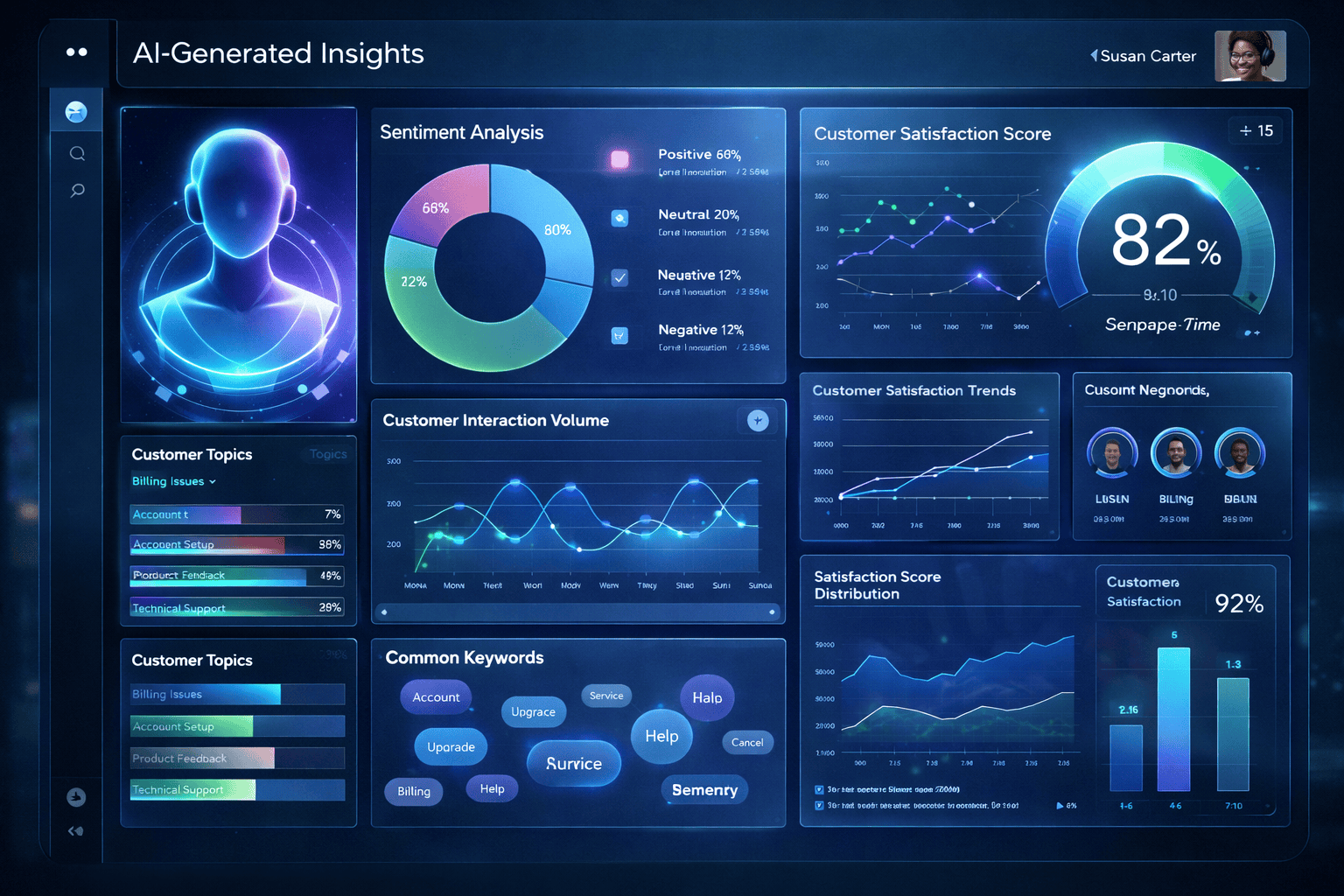
A digital dashboard filled with analytics and insights generated by AI,

The Future Landscape of Customer Interaction

As we look ahead to 2026 and beyond, the future of customer interaction will be defined by the continued evolution of AI agents. Businesses will increasingly rely on these agents to drive efficiency, enhance personalization, and provide proactive support. Furthermore, advancements in natural language processing and machine learning will enable AI agents to engage in more human-like conversations, fostering deeper connections with customers.

To remain competitive in this rapidly changing landscape, businesses must be proactive in adopting AI technologies and adapting their customer service strategies. By embracing AI agents, companies can not only streamline their operations but also provide exceptional experiences that resonate with customers.

Social Media Advertising Strategies for Small Businesses

Social Media Advertising Strategies for Small Businesses

Social Media Advertising Strategies for Small Businesses

Social media has become an integral part of many small business marketing strategies. With billions of people using social media platforms like Facebook, Instagram, and Twitter, it’s an excellent way to reach a broad audience and increase brand awareness. However, to get the most out of social media advertising, small businesses need to have a clear strategy in place. In this article, we’ll discuss some effective social media advertising strategies for small businesses, along with examples.

  1. Define Your Target Audience

The first step in any social media advertising strategy is to define your target audience. Who are the people you want to reach with your ads? What are their interests, demographics, and behaviors? By understanding your target audience, you can create ads that are tailored to their needs and interests.

Example: A local coffee shop might target people in the local area who are interested in coffee, food, and drinks.

  1. Set Clear Objectives

Before you start advertising on social media, it’s essential to set clear objectives for what you want to achieve. Do you want to increase brand awareness, drive website traffic, generate leads, or increase sales? By setting specific objectives, you can measure the success of your ads and adjust your strategy accordingly.

Example: A small online retailer might set an objective to increase website traffic by 20% in the next month.

  1. Choose the Right Platform

There are many social media platforms available, and it’s essential to choose the right ones for your business. Facebook, Instagram, Twitter, LinkedIn, and Pinterest all have different audiences and advertising options. Consider which platforms your target audience uses and which ones are best suited to your advertising objectives.

Example: A small B2B software company might choose to advertise on LinkedIn to reach a professional audience.

  1. Create Engaging Ad Content

To be effective, your social media ads need to be visually appealing and engaging. Use high-quality images and videos, and write compelling ad copy that grabs the attention of your target audience. Consider using humor, emotional appeals, or other tactics to create a connection with your audience.

Example: A local pet store might create an ad featuring a cute puppy with the tagline, “Bring home your new best friend today!”

  1. Use Targeting Options

Social media advertising platforms offer a range of targeting options that can help you reach your desired audience. You can target people based on their interests, behaviors, demographics, and more. Use these targeting options to ensure your ads are seen by the people most likely to be interested in your product or service.

Example: A small fitness studio might target people in the local area who are interested in health and fitness.

  1. Monitor and Adjust Your Campaigns

Once your ads are live, it’s essential to monitor their performance and adjust your campaigns as needed. Use the analytics provided by social media platforms to track your ad’s reach, engagement, and conversions. If your ads aren’t performing well, try adjusting your targeting, ad content, or bidding strategy.

Example: A small clothing retailer might adjust their ad targeting based on which products are selling the best.

Social media advertising can be an effective way for small businesses to reach a broad audience and increase brand awareness. By defining your target audience, setting clear objectives, choosing the right platform, creating engaging ad content, using targeting options, and monitoring and adjusting your campaigns, you can create a successful social media advertising strategy. Remember to experiment with different ad formats, targeting options, and ad content to find what works best for your business. With a well-crafted social media advertising strategy, small businesses can compete with larger companies and reach their desired audience effectively.

Pin It on Pinterest